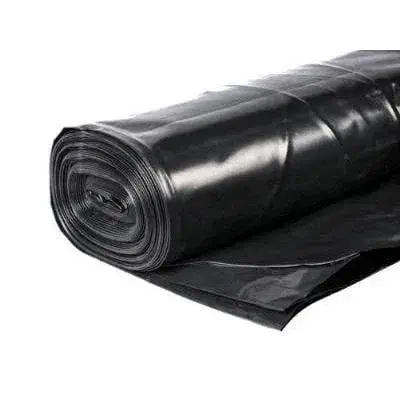
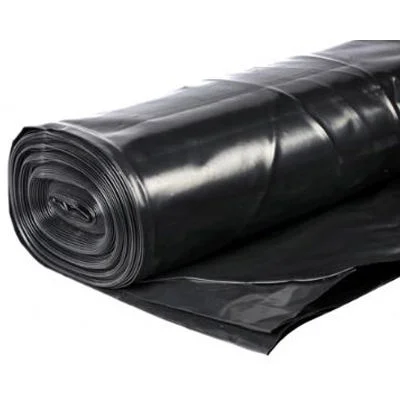
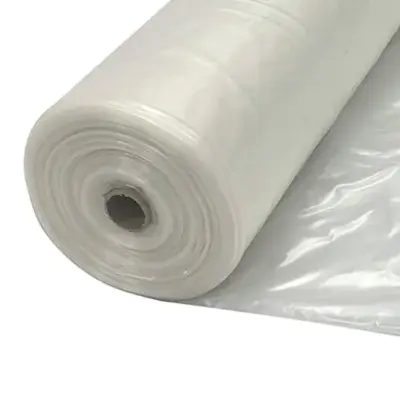
BBA approved 1200 gauge polythene damp proof membrane at 300mu thickness. Suitable for use under concrete slabs and floor screeds. Available in clear and blue, with bulk pallet options for larger projects.
Trade QTY discounts — the more you buy, the more you save
Quantity
Discount
You Save
Price/unit from
Buy 5 – 9
5%
£1.80£2.16
£34.15£40.98
Buy 10 – 19
10%
£3.60£4.32
£32.36£38.83
Buy 20 – 39
13%
£4.67£5.60
£31.28£37.54
Buy 40+
20%
£7.19£8.63
£28.76£34.51
Discount applies across all variants of this product.
Add 5 to unlock 5% off
05+10+20+40+
Size
Price
Best Price
QTY
1200 Gauge Polythene DPM 300mu BBA Approved
£35.95£43.14
£28.76£34.51
1200 Gauge Polythene DPM 300mu BBA Approved - BLUE
£37.95£45.54
£30.36£36.43
This 1200 gauge polythene DPM is a straightforward, dependable solution for preventing ground moisture from rising into floor construction. At 300 microns thick, it meets the requirements of BS 8102 and carries BBA approval, which means it has been independently tested and certified for use in building work. If you are laying a concrete slab, sand and cement screed, or any floor build-up where ground moisture is a concern, this membrane sits between the hardcore and the slab and quietly gets on with the job.
1200 gauge is the specification most commonly called for on construction sites and in building control submissions. It offers a balance between workability and performance — thick enough to resist puncture during the pour, but not so stiff that it becomes awkward to lay and lap in confined spaces. The 300mu measurement and the gauge figure refer to the same thickness, just expressed differently. Both mean the same thing on your order, on your spec sheet, and on your building inspector’s checklist.
Where 1200 Gauge Polythene DPM Gets Used
Ground floor concrete construction is the obvious application, but this membrane also sees regular use in tanking situations, under timber floating floors, and beneath insulated floor systems. Anywhere you need a continuous, impermeable barrier between ground and structure, a sheet DPM like this is the standard approach. It is also used by groundworkers lining trenches and builders protecting materials on site, so a single roll earns its keep in more than one way.
Clear and Blue Options
The blue variant is popular where a visible membrane helps during inspections or when multiple trades need to identify it easily on site. Functionally, both perform identically — the colour is a practical marker, not a performance difference. Pallet quantities are available for larger groundworks contracts or merchants wanting bulk stock, and the ten-roll bundle suits medium-sized residential projects where you need enough material to avoid running short mid-pour. Running short of DPM halfway through a slab pour is nobody’s idea of a good afternoon.
Pro Tip: Always lap joints by a minimum of 150mm and tape them with a compatible DPM jointing tape to maintain a continuous moisture barrier — an untaped lap is the most common reason ground moisture finds its way through an otherwise decent membrane.
Polythene DPM is used extensively in new-build ground floor construction, where it forms the moisture barrier between compacted hardcore and a concrete slab or screed. It is a standard requirement on most domestic and commercial groundworks projects and is regularly specified by structural engineers and building inspectors. Groundworkers, general builders and groundslab contractors use it on housing developments, extensions, garages, outbuildings and commercial units. It also finds use in agricultural buildings, plant rooms and anywhere a simple impermeable sheet barrier is needed at floor level.
Best For
Under concrete ground floor slabs
Beneath sand and cement screeds
Under insulated floating floor systems
Tanking and moisture protection applications
Agricultural and commercial buildings
Available In
Single roll, clear
Single roll, blue
10-roll bundle
Pallet of 40 rolls, clear
Pallet of 40 rolls, blue
Key Properties
1200 gauge / 300 microns thick
BBA approved
Impermeable polythene construction
Suitable for BS 8102 compliance
Puncture-resistant for site use
Available in clear and blue
Not suitable for: Not suitable as a cavity wall DPC or as a vertical tanking membrane on its own where hydrostatic pressure is present. Not a replacement for a purpose-designed radon barrier where radon protection is specifically required by building regulations.
Lay the membrane over compacted, blinded hardcore before any concrete or screed is placed. The surface should be reasonably smooth and free from sharp stones or projections that could puncture the sheet during the pour. Unroll from one end, keeping the material flat and wrinkle-free where possible.
Lap all joints by at least 150mm and tape with a compatible DPM tape to maintain continuity. Turn the membrane up at the edges to meet the damp proof course in the walls, ensuring no gap is left for moisture to bypass the barrier. Avoid standing or dragging materials across the membrane unnecessarily before the concrete is placed.
Prepare the hardcore base, ensuring it is well compacted and blinded with a layer of sharp sand to remove sharp edges
Unroll the DPM across the area, allowing enough material to turn up at the perimeter walls
Lap any joins by a minimum of 150mm
Tape all lapped joints with a compatible DPM jointing tape to ensure a continuous seal
Turn the membrane up at the wall edges so it meets or overlaps the wall DPC
Inspect the laid membrane for any tears or punctures before proceeding
Place concrete or screed carefully to avoid displacing or puncturing the membrane
What is the difference between 1200 gauge and 300mu on the specification?
They describe the same thickness expressed in different units. 1200 gauge is the imperial measurement used historically in the UK building trade, while 300mu refers to 300 microns, the metric equivalent. Both appear on specs and building control submissions, and both refer to this product. If your spec calls for either figure, this membrane satisfies it.
Is this DPM suitable where radon protection is required?
Not on its own. A standard polythene DPM provides moisture protection, but radon-affected areas require a purpose-designed radon barrier with additional detailing at joints and penetrations. Check your site's radon risk category with the HSE radon map and consult your building control officer if in doubt.
This membrane is manufactured from low-density polythene (LDPE) at 300 microns (1200 gauge) thickness. It carries BBA certification, confirming it has been assessed for use as a damp proof membrane in ground floor construction in accordance with relevant UK building regulations. The material is impermeable to liquid water and resistant to the passage of water vapour under normal ground conditions.
Gauge
1200
Thickness
300 microns (300mu)
Material
Low-density polythene (LDPE)
Certification
BBA Approved
Colours Available
Clear, Blue
Application
Damp proof membrane for ground floor construction
Reviews
There are no reviews yet.
Be the first to review “Polythene DPM – 1200 Gauge 300mu BBA Approved”Cancel Reply

Reviews
There are no reviews yet.