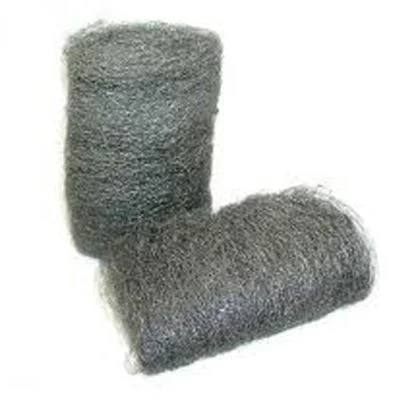
Industrial quality steel wire wool for surface preparation, cleaning, finishing and maintaining wood and metal. Available in coarse, medium and fine grades from 200g to 450g. Works well with wax polishes and paint strippers.
Available options and pricing for Steel Wire Wool, with quantity selectors and a running total
Size
SKU
Price
QTY
Total
200g COARSE
231659
£2.95£3.54
—
200g FINE
231007
£2.95£3.54
—
200g MEDIUM
231308
£2.95£3.54
—
Steel wire wool is one of those products that earns its place in every tradesperson’s van, workshop and toolbox without ever making a fuss about it. Whether you’re stripping old finish off timber, cleaning up corroded pipework, applying wax polish or cutting back between coats of lacquer, a good handful of steel wire wool does the job cleanly and without damaging the surface underneath — provided you pick the right grade, which we’ll come to in a moment.
This is industrial quality material, not the lightweight stuff sold in supermarkets that falls apart after two minutes. The fibres hold together under pressure, which matters when you’re working a surface hard or trying to get into tight corners that a pad or disc simply won’t reach. Plumbers use it regularly for cleaning copper pipe and fittings before soldering, where a clean bright surface is essential for solder to flow correctly. Joiners and decorators reach for it when flatting down between coats or buffing out wax on bare wood.
What Grade of Steel Wire Wool Do You Need?
Grade selection makes a real difference to the result. Coarse grade cuts fast and removes material quickly — good for heavy rust, thick old coatings, or rough surface prep where you’re not worried about scratch marks at this stage. Medium grade is the all-rounder: capable enough for general preparation work on wood and metal, fine enough not to leave obvious marks on surfaces that will be finished. Fine grade is where you want to be for applying wax polishes, burnishing between lacquer coats, or any job where the surface finish matters. It polishes rather than cuts.
Available here in 200g packs across coarse, medium and fine grades, with a 450g medium grade option for those who go through it at a rate of knots. Steel wire wool is also the traditional choice for use alongside paint strippers — it gets into the grain of timber and around mouldings where scrapers can’t follow, lifting softened paint without gouging the wood underneath.
At this price, it makes sense to keep a pack of each grade on hand. You’ll use them all eventually.
Pro Tip: Always wear gloves when using steel wire wool for extended periods as the fine metal fibres can work into the skin, and keep it well away from any open flame or sparks as it is surprisingly flammable, particularly the fine grades.
Steel wire wool turns up across a wide range of trades and tasks. Plumbers use it to prepare copper pipe and fittings before soldering, ensuring the surface is clean and bright for a sound joint. Decorators use it between coats of paint, varnish or lacquer to flatten nibs and key the surface without damaging the finish. Joiners and furniture restorers apply wax polish with fine grade wool for an even, burnished result that a cloth alone struggles to match. It also works well alongside chemical paint strippers on timber mouldings and carved details where scrapers leave marks.
Best For
Surface preparation on wood and metal
Cleaning copper pipe before soldering
Applying and buffing wax polishes
Flatting between coats of varnish or lacquer
Use with chemical paint strippers
Removing light rust and corrosion
Available In
200g Coarse
200g Medium
200g Fine
450g Medium Grade
Key Features
Industrial quality construction
Multiple grades for different tasks
Reaches into mouldings and tight corners
Won't gouge surfaces when used correctly
Traditional choice for wax and polish application
Not suitable for: Not suitable for use near open flames or hot work — steel wire wool is flammable, particularly fine grades. Not recommended for stainless steel surfaces where contamination from carbon steel fibres could cause rust staining.
Choose your grade before you start. Coarse for heavy prep and rust removal, medium for general work, fine for polishing and wax application. Pull off a manageable amount and work in the direction of the grain on timber, or in circular strokes on metal. On copper pipework, rub firmly until the surface is bright and clean all the way round before applying flux.
When using alongside a paint stripper, apply the chemical first and allow it to work, then use medium or coarse wool to lift the softened material out of the detail. Follow up with fine wool if you want a clean surface ready for finishing.
Select the appropriate grade for your task before starting work
Put on gloves before handling, particularly with coarse grade
Tear off a section roughly the size of your palm — using too much at once is wasteful
Work in the direction of the grain on timber to avoid cross-grain scratches
On metal, scrub firmly in circular motions until the surface is clean and bright
For wax application, load a small amount of wax onto fine grade wool and work it into the surface evenly
Dispose of used wool carefully — do not leave damp steel wool sitting on surfaces as it will rust and stain
What is the difference between coarse, medium and fine grade steel wire wool?
Coarse grade cuts aggressively and removes material fast — best for heavy rust, old coatings or rough prep work. Medium is the everyday grade, capable on most prep jobs without leaving deep scratches. Fine grade is for finishing work: applying wax, buffing lacquer between coats, or polishing surfaces where scratch marks would show.
Can I use steel wire wool on copper pipe before soldering?
Yes, and it's the traditional method. Rub the outside of the pipe and the inside of the fitting until the surface is clean and bright, then apply flux before soldering. A clean surface is essential for solder to flow and bond correctly.
Is steel wire wool safe to use on all wood finishes?
Fine grade is generally safe on most sealed wood finishes and is the standard choice for applying wax polish or flatting between coats. Avoid using it on water-based finishes that are still soft, and never use it dry on dark or oiled woods where steel particles left behind can cause rust staining when moisture is present. Lubricate with wax or oil when in doubt.
Steel wire wool is produced from low-carbon steel drawn into fine continuous fibres and bundled together. The grade refers to the coarseness of the individual fibres — coarser grades use thicker, more widely spaced filaments while fine grades are made from very thin, tightly packed strands. It has no synthetic binders or coatings in standard form and is fully recyclable as ferrous metal waste.
Material
Low-carbon steel
Available Weights
200g, 450g
Available Grades
Coarse, Medium, Fine
Application Method
Hand applied
Primary Use
Surface preparation, cleaning, polishing
Size
200g COARSE, 200g FINE, 200g MEDIUM, 200g medium grade, 450g medium grade
Box Quantity
1
Reviews
There are no reviews yet.
Be the first to review “Steel Wire Wool”Cancel Reply


Reviews
There are no reviews yet.