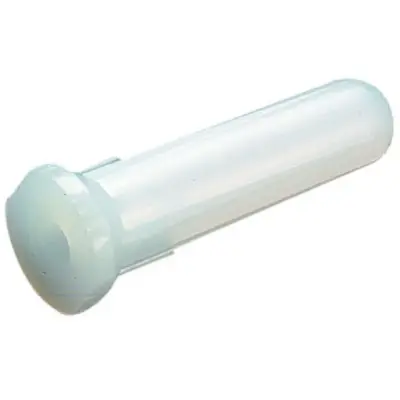
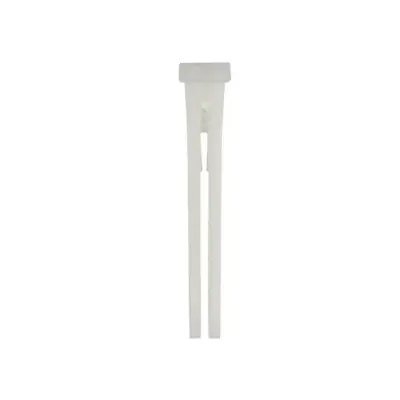
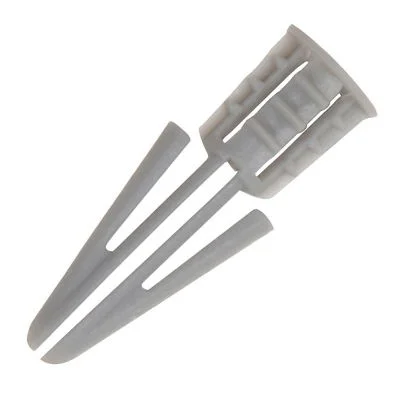
Purpose-designed 23mm nailing plug for fixing cable clip pins and small nails into hard and soft masonry. Works across concrete, engineering bricks, aercrete and lightweight blocks. Available in 1.5–2.0mm and 2.0–2.5mm pin sizes.
Size
Price
QTY
1.5 - 2.0mm
£3.90£4.68
2.0 - 2.5mm
£3.90£4.68
The Unifix 23mm nailing clip plug is designed specifically for fixing cable clip pins and similar small nails into masonry — and the key word there is specifically. This isn’t a general-purpose wall plug that someone has decided also works for thin pins. It’s built from the ground up to grip the small-diameter pins used in cable management, doing so reliably across an unusually wide range of base materials. Concrete, engineering brick, aercrete, lightweight blocks: the 23mm nailing clip plug handles them all without needing a different product for each substrate.
That matters more than it might sound. On a typical wiring or containment job, you could move between dense concrete and lightweight block within a few metres. Swapping plugs every time you change material is the kind of thing that adds nothing to a job except frustration. These plugs are designed so you don’t have to think about it.
Available in two pin diameter ranges — 1.5 to 2.0mm and 2.0 to 2.5mm — to suit the most commonly used cable clip pins on the market. Choosing the right size is straightforward: match the diameter range to the pin you’re driving. The plug expands as the pin enters, locking into the surrounding material whether that’s dense or porous. Soft materials like aercrete and lightweight blocks can be tricky for nailing fixings generally, because there’s less material to bite into. The NP series is designed to compensate for that, which is why it appears in both columns of the substrate list.
Where Nailing Clip Plugs Are Used on Site
Cable clips are the obvious application, but anything using a similar small-diameter nail pin will benefit from the same principle. Think conduit clips, trunking fixings, and low-load attachments where a screw-type plug would be overkill or simply wrong for the tool. Electricians are the primary users, but first-fix trades working in aercrete or block environments will find these useful anywhere a pin fixing is specified.
Supplied in Packs of 100 or 200
These plugs are sold in boxes of 100 or 200, which makes sense for the kind of jobs they appear on. Running cable around a property means a lot of clips, which means a lot of plugs. Buying in quantity keeps the job moving and the cost per fixing sensible. At this price point, there’s no good reason to buy fewer than you need.
Pro Tip: On aercrete and lightweight block, set the pin with a single controlled strike rather than multiple lighter taps — overdriving collapses the surrounding material and you lose the grip the plug was relying on.
Nailing clip plugs are used wherever cable clip pins or similar small nails need to be driven into masonry. That covers first-fix electrical work running cables across concrete walls, fixing containment to engineering brick, and securing wiring in aercrete or lightweight block construction. They are a standard part of any electrician's kit on new build and refurbishment jobs alike, and turn up on any site where cables need to be clipped neatly and securely to a masonry surface.
Best For
Cable clip pin fixing
Conduit and trunking clip fixing
First-fix electrical installation
Low-load pin fixings in masonry
Compatible Surfaces
Concrete
Engineering brick
Aercrete
Lightweight blocks
Hard and soft masonry
Key Specifications
Length: 23mm
Pin size range: 1.5–2.0mm (NP1)
Pin size range: 2.0–2.5mm (NP2)
Available in boxes of 100 or 200
Not suitable for: Not suitable for use with screw-type fixings or larger diameter fasteners. Not intended for structural or high-load applications.
Select the correct plug size for your pin diameter before you start. Drill a hole in the masonry to the correct depth for the 23mm plug, insert the plug flush with the surface, position your cable clip, and drive the pin through the clip and into the plug with a hammer or cable clip gun. The plug expands as the pin enters, locking into the surrounding material.
Select NP1 for 1.5–2.0mm pins or NP2 for 2.0–2.5mm pins before starting the job
Drill a hole into the masonry to suit the 23mm plug length and plug diameter
Insert the nailing plug into the hole so it sits flush with the surface
Position the cable clip over the plug location
Drive the pin through the cable clip and into the plug using a hammer or cable clip gun
Check the clip is seated firmly and the pin has not been overdriven
What is the difference between NP1 and NP2?
NP1 is sized for pins with a diameter of 1.5 to 2.0mm, and NP2 suits pins in the 2.0 to 2.5mm range. Match the plug to the pin diameter of your cable clips. Using the wrong size will affect grip.
Will these work in aercrete and lightweight block?
Yes, that is one of the reasons these plugs exist. Aercrete and lightweight block are notoriously difficult for pin fixings because the material is soft and porous. The NP series is specifically designed to provide reliable grip in these softer substrates as well as in hard materials like concrete and engineering brick.
The Unifix NP1 and NP2 nailing clip plugs are 23mm in length and manufactured to expand under pin insertion, creating a locking grip within the drilled hole. The plug construction accommodates the stress characteristics of both very hard substrates such as engineering brick and very soft substrates such as aercrete, making a single plug type usable across the range of masonry conditions found on a typical construction site.

Reviews
There are no reviews yet.