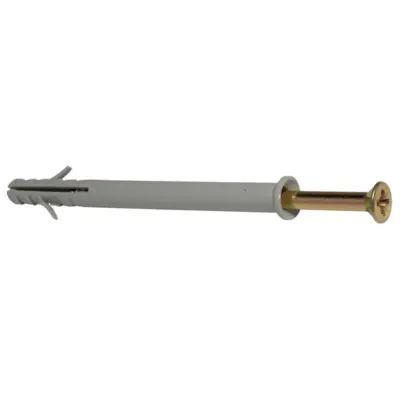
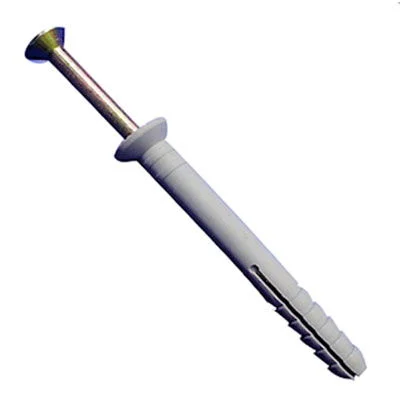
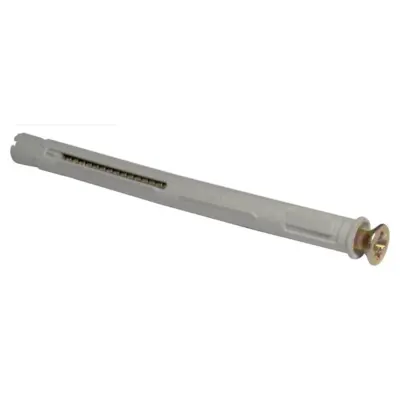
Nylon frame fixings for securing window and door frames to brick, block, stone, masonry and concrete. Anti-rotation lugs prevent spinning during install. Available in 8mm and 10mm diameters across a range of lengths.
Size
Price
QTY
8 x 80mm
£5.86£7.03
8 x 100mm
£7.46£8.95
8 x 120mm
£8.98£10.78
8 x 140mm
£11.95£14.34
10 x 80mm
£8.91£10.69
10 x 100mm
£9.95£11.94
10 x 120mm
£11.93£14.32
10 x 140mm
£14.98£17.98
10 x 160mm
£15.98£19.18
Nylon frame fixings are one of those products that quietly hold a lot of buildings together. Used for attaching timber or uPVC window frames, door frames, and general structural framework directly to masonry substrates, they are a staple on almost every new build and renovation site. The design is straightforward: a nylon sleeve expands into the substrate as the screw is driven home, locking the fixing firmly in place. Simple, proven, and it works.
These fixings are available in 8mm and 10mm diameters, with lengths ranging from 60mm up to 160mm, which covers the majority of frame fixing situations you’ll encounter. Thicker insulation boards, deeper reveals, or extra-chunky frame sections all have a length here to suit. The longer 10 x 160mm option is particularly useful where a render coat or board insulation sits between the frame and the wall.
Where Nylon Frame Fixings Earn Their Keep
The anti-rotation lugs built into the sleeve are worth mentioning. When you are driving a screw into a nylon fixing, there is always a risk the whole sleeve starts to spin in the hole rather than expand. The lugs grip the sides of the drilled hole and stop that happening, so the screw tightens properly instead of just going round in circles. If you have ever had a frame fixing spin out on you mid-install, you will know exactly why this matters.
Supplied in boxes of 100, these suit trade use well. Whether you are a window fitter running through a full house refurbishment or a general builder fixing off frames on a new build plot, having a full box to hand means you are not hunting around for singles halfway through a job. The nylon construction handles most internal and sheltered external applications without any issues around corrosion, which makes them a practical alternative to steel options in damp or exposed locations.
Pro Tip: Always drill the hole to the correct diameter for the sleeve size and clear out any dust before inserting the fixing, as a loose or clogged hole is usually the reason a frame fixing fails to expand properly.
Nylon frame fixings are used wherever a window frame, door frame, or structural timber member needs to be fastened back to a masonry wall. That covers uPVC window installations, hardwood and softwood door frames, conservatory bases, porch structures, and general first-fix framing work against brick, block, stone, or concrete. They are equally at home on a new build plot or a full window replacement programme in an older property.
Groundworkers and general builders also use them for fixing sole plates, studwork channels, and similar items to concrete floor slabs or block walls where a reliable mechanical fix is needed without the faff of resin anchors.
Best For
Window frame installation
Door frame fixing
Sole plate and studwork channels
Conservatory and porch frames
General masonry framework fixing
Compatible Surfaces
Brick
Dense and lightweight block
Stone
Concrete
Masonry substrates
Key Features
Anti-rotation lugs prevent spinning during install
Nylon sleeve expands on screw drive
Available in 8mm and 10mm diameters
Lengths from 60mm to 160mm
Corrosion-resistant nylon construction
Supplied in boxes of 100
Not suitable for: Not recommended for use in soft or friable substrates such as lightweight aerated block without confirming pull-out values first. Not intended for structural load-bearing applications where engineered anchors are specified.
Drill a clean hole to match the sleeve diameter, either 8mm or 10mm depending on the fixing you are using. The hole depth should match the sleeve length. Clear the hole of dust with a puffer or vacuum before inserting the sleeve, as dust build-up reduces grip. Insert the nylon sleeve flush with the surface, position the frame, and drive the screw through the frame countersink hole and into the sleeve. The sleeve expands as the screw is tightened, locking the fixing against the sides of the hole.
Do not overtighten. Once resistance is felt and the frame is pulled tight, stop. Driving past that point can crack the sleeve and reduce holding strength rather than increase it.
Mark the fixing positions on the frame before drilling, keeping fixings at least 150mm from corners and at regular intervals along the frame length
Drill through the frame and into the masonry to the correct diameter for the sleeve size being used
Clear dust from the hole using a puffer or vacuum
Insert the nylon sleeve into the masonry hole until it sits flush
Offer up the frame and align it correctly before driving the screw
Drive the screw through the frame and into the sleeve until the frame is pulled firm against the wall
Check the frame for square and level before completing all fixings
What diameter hole do I need to drill for these fixings?
Drill an 8mm hole for the 8mm sleeve fixings and a 10mm hole for the 10mm sleeve fixings. Match the drill bit diameter to the sleeve diameter exactly. Going slightly larger will reduce expansion grip and potentially cause the fixing to fail.
Can these be used in aerated concrete blocks?
Aerated or lightweight aircrete blocks have lower pull-out resistance than dense block or brick, so performance will be reduced. For standard frame fixing in solid brick, block, stone, or concrete they are well suited. In aerated block, check the fixing specification against the load requirement, or consider a longer sleeve to improve engagement.
What screw size is used with these frame fixings?
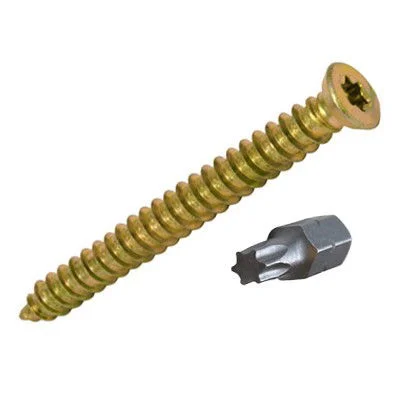
Frame fixings typically use a hex head or countersunk screw supplied with the sleeve, sized to match the sleeve diameter. For 8mm sleeves that is usually a 7.5mm screw, and for 10mm sleeves a 7.5mm or 8mm screw. Check the pack for the correct pairing, and always use the screw type designed for the sleeve to ensure proper expansion.
Nylon frame fixings consist of an expanding nylon sleeve and a paired screw, designed for use in masonry substrates including brick, block, stone, and concrete. The nylon material provides good resistance to corrosion and moisture, making these fixings practical for sheltered external applications as well as internal use. Anti-rotation lugs on the sleeve body grip the drilled hole to prevent spinning during installation, ensuring consistent expansion and reliable pull-out resistance.

Reviews
There are no reviews yet.