
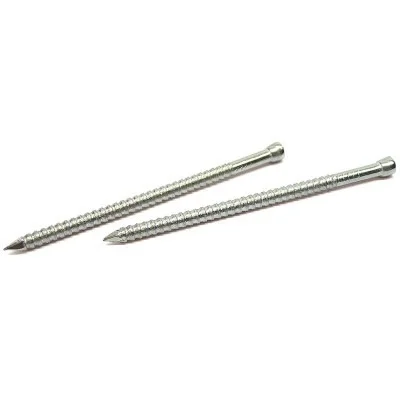
Stainless Steel Annular Ring Lost Head Nails 1kg
From £12.97£15.56 EX VATINC VAT
Stainless steel lost head nails with annular ring shank, sold in 1kg bags. Available in 40mm, 50mm, 60mm and 75mm. Ideal for timber cladding where hidden nailing, high withdrawal resistance and long-term corrosion protection are all needed.
| Size | Price | QTY |
|---|---|---|
| 40mm Stainless Steel | £13.48£16.18 | |
| 50mm Stainless Steel | £13.48£16.18 | |
| 60mm Stainless Steel | £13.48£16.18 | |
| 75mm Stainless Steel | £12.97£15.56 |
Stainless steel lost head nails with an annular ring shank are the go-to fixing for external timber cladding. The combination of three features in one nail, corrosion resistance, a near-invisible head, and a ringed shank that grips hard against pull-out, makes these the right choice where ordinary nails simply won’t last. These stainless steel lost head nails are sold in 1kg bags and are available in four lengths: 40mm, 50mm, 60mm and 75mm, covering most standard cladding board thicknesses.
The annular ring shank is the key to how these nails hold. Rather than a smooth shank that relies purely on friction, the rings bite into the timber fibres as the nail is driven. Once in, they resist the constant expansion and contraction that external timber goes through as it wets, dries and moves with temperature. This is exactly the kind of withdrawal force that pulls smooth-shank nails loose over time, particularly in softwood cladding.
The lost head profile keeps things clean. The small, almost flat head sits flush against the board face once driven, and can be punched just below the surface with a nail punch. Fill over it, sand back, and the fixings disappear entirely. For painted or stained cladding this is standard practice. For visible hardwood or pre-finished boards, the small head leaves only a minimal mark.
Why Stainless Steel Matters for Timber Cladding Nails
Cladding is one of the worst environments you can put a nail into. Constant exposure to rain, frost and UV light means that any nail with inadequate corrosion resistance will eventually stain the timber with rust streaks, weaken at the shank, or fail altogether. Stainless steel prevents all of this. These nails will not rust, and they will not cause tannin staining on oak, larch or cedar, which is a genuine problem with cheaper galvanised alternatives.
For projects in coastal locations, high-rainfall areas or anywhere the cladding will be regularly saturated, stainless steel is not a luxury, it is the correct specification. Many architects, cladding contractors and warranty providers specify stainless fixings as a minimum requirement for this reason.
Choosing the Right Length
As a general rule, the nail should penetrate the substrate or batten by at least as much as the thickness of the board being fixed. For 18mm to 25mm cladding boards, 50mm or 60mm nails are typically the right starting point. Thicker boards or double-layer systems may call for the 75mm option. The 40mm length suits thinner sections or face-fixing into existing battens where penetration depth is limited.
Sold in 1kg bags, the quantity per bag varies by nail length but gives a useful working amount for small to medium-sized jobs or for topping up on site. For larger cladding contracts, it is worth calculating nail consumption per square metre of board before ordering to avoid running short mid-job.
Pro Tip: When nailing close to the end of a cladding board, blunting the nail tip slightly before driving will reduce the risk of splitting the timber, particularly in drier hardwoods like oak or cedar.
You may also like…
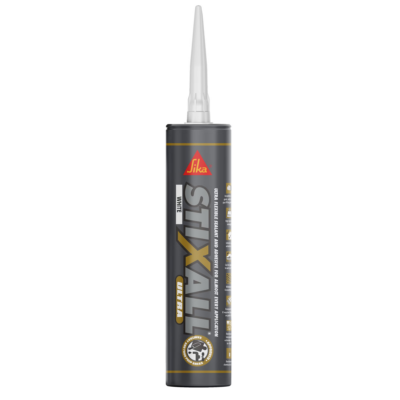
Sika Stixall Ultra Hybrid Polymer Adhesive & Sealant 300ml
From £5.79£6.95 EX VATINC VAT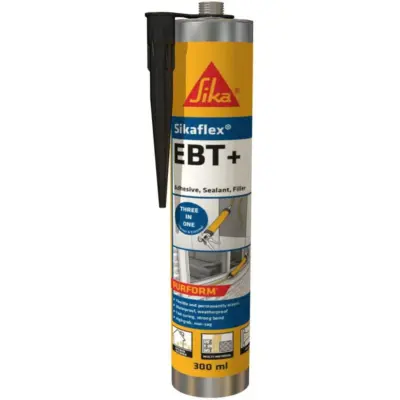
Sikaflex EBT+ Hybrid Polyurethane Adhesive Sealant 300ml
From £5.49£6.59 EX VATINC VAT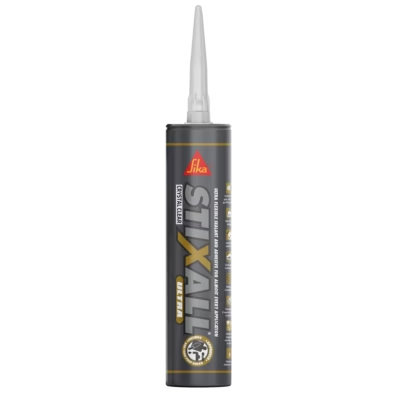
Sika Stixall Ultra Hybrid Adhesive & Sealant 300ml Crystal Clear
£5.79£6.95 EX VATINC VAT
Related products
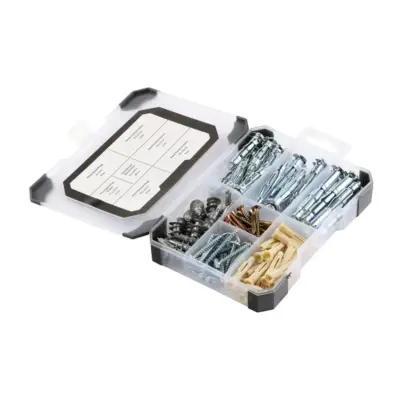
Mixed Tray – Plasterboard Fixings (102pcs)
£7.06£8.47 EX VATINC VAT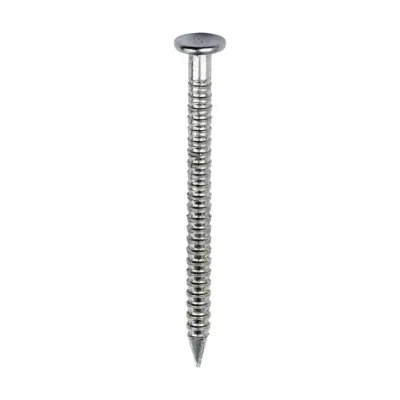
Cladding Pins 30mm – Stainless Steel (250)
£3.09£3.71 EX VATINC VAT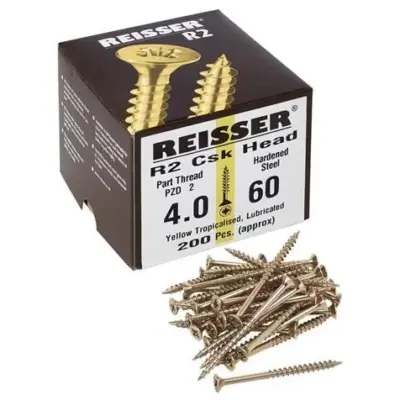
Reisser r2 screws csk – part thread – yellow
From £2.42£2.90 EX VATINC VAT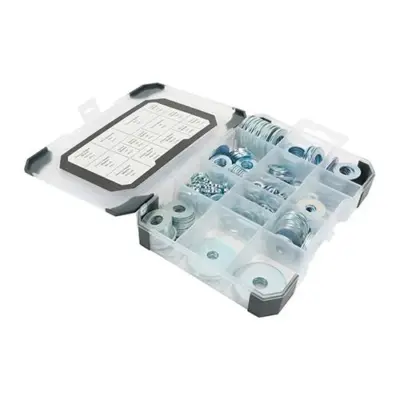
Mixed Tray – Washers – ZINC (291pcs)
£7.06£8.47 EX VATINC VAT
Reviews
There are no reviews yet.