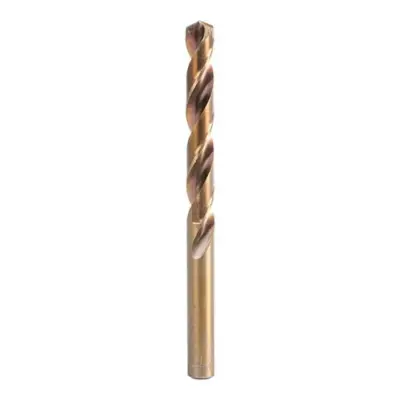
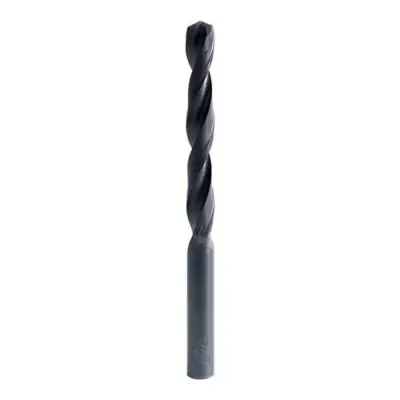
Timco HSS-R jobber drill bit sets in 19-piece (1–10mm) and 25-piece (1–13mm) options. Roll forged for consistent geometry, with a 135° split point to reduce drift and speed up entry. Good all-round drill sets for non-alloy materials.
Available options and pricing for HSS Roll Forged Jobber Drill Bit Sets - Timco, with quantity selectors and a running total
Size
SKU
Price
QTY
Total
19pcs
HSSR19DS
£10.98£13.18
—
25pcs
HSSR25DS
£19.40£23.28
—
The Timco HSS roll forged jobber drill bit set is the kind of thing you reach for daily without thinking about it — and that’s exactly how it should be. Available in a 19-piece set covering 1–10mm and a 25-piece set covering 1–13mm, these are solid, no-nonsense HSS-R bits suited to general drilling across non-alloy materials. Steel, timber, aluminium, plastics — the sort of everyday drilling that makes up most of a working day on site or in the workshop.
Roll forging gives each bit a consistent, accurate geometry that you just don’t get with cheaper pressed alternatives. The blank is shaped under pressure rather than cut, which refines the grain structure and produces a bit that holds its edge noticeably longer under normal use. It’s not glamorous engineering, but it makes a real difference when you’re halfway through a run of holes and the last thing you need is a blunt bit wandering off centre.
The 135° Split Point on These Timco Jobber Drill Bits
The 135° split point is worth paying attention to. A conventional 118° point needs a centre punch to stop it skating across a smooth surface before it bites. The tighter split point on these Timco bits self-centres on contact, so you can get straight into the material without marking up first. Faster to use, fewer steps, less aggravation. On a job where you’re drilling dozens of holes in steel plate or aluminium sheet, that adds up quickly.
Sizing the Set to Your Work
The 19-piece set is fine for most general trades work — if you rarely need anything above 10mm, there’s no point carrying a bigger case. The 25-piece set extends to 13mm and suits anyone working regularly with larger fixings, conduit, or structural timber where a broader size range earns its place in the bag. Both sets are priced at the kind of level where buying a spare set makes sense rather than being a luxury.
As jobber-length bits, they strike a practical balance between reach and rigidity. Long enough for most applications, short enough to stay accurate without flex. If you’re drilling deep-section steel or need extended reach, you’d want specialist bits — but for the vast majority of day-to-day drilling, this Timco HSS roll forged jobber drill bit set covers the ground.
Pro Tip: When drilling steel with HSS bits, keep your speed down and use a drop of cutting oil on the point — it reduces heat build-up significantly and your bits will last two or three times longer before needing replacement.
These Timco HSS jobber bits are used across a wide range of general trade applications. Electricians, plumbers, joiners, and general builders all reach for this kind of set when drilling mild steel, aluminium, uPVC, MDF, timber, and most engineering plastics. They're equally at home in a workshop drill press or a cordless driver on site. Fabricators and maintenance engineers find the 1–13mm range covers the majority of hole sizes needed for bolted connections, cable entry points, and fixing positions without changing sets.
Best For
Mild steel and sheet metal
Aluminium and non-ferrous metals
Timber and MDF
uPVC and engineering plastics
General site and workshop drilling
Available In
19-piece set: 1mm to 10mm
25-piece set: 1mm to 13mm
Key Features
HSS-R (roll forged) construction
135° split point for self-centring entry
Reduced bit drift on smooth surfaces
Consistent geometry from roll forging process
Jobber length for balanced reach and rigidity
Not suitable for: Not suitable for drilling hardened steels, stainless steel, masonry, concrete, or ceramic tiles. For stainless and harder alloys, cobalt HSS bits are the correct choice.
Fit the bit securely in the chuck and check it runs true before starting. For steel, start at a lower speed and apply light, consistent pressure — let the bit do the work. Forcing it just generates heat and kills the cutting edge faster than anything else.
Use cutting oil or a cutting compound on metal to keep temperatures down, particularly on thicker sections. For timber and plastics, a faster speed works better. Back the bit out periodically on deeper holes to clear swarf and reduce heat build-up. On smooth metal surfaces, the 135° split point will self-centre without a punch mark, but a punch mark never hurts if accuracy is critical.
Select the correct bit size for the hole required and fit it firmly into the chuck
Check the bit runs true by spinning slowly before applying load
Mark the centre point with a punch if drilling precise positions in metal
Apply a drop of cutting oil to the drill point when working on steel or aluminium
Set drill speed appropriate to the material — slower for metal, faster for timber and plastics
Apply steady, consistent pressure and allow the bit to cut at its own pace
Back out periodically on deeper holes to clear swarf and allow the bit to cool
Clean and store bits in the case after use to prevent edge damage
What is the difference between the 19-piece and 25-piece sets?
The 19-piece set covers 1mm to 10mm in 0.5mm increments and suits most general trade work. The 25-piece set extends the range to 13mm, which is useful if you regularly drill larger holes for fixings, conduit entries, or structural work. Both use the same HSS-R roll forged construction.
Can these bits be used on stainless steel?
Not reliably. HSS-R bits will cut mild steel and aluminium well, but stainless work-hardens quickly and will blunt standard HSS bits fast. For stainless steel you need cobalt HSS bits, which are specifically designed to handle the increased cutting temperatures and hardness.
What does roll forged mean and why does it matter?
Roll forging shapes the bit blank under pressure rather than grinding it from raw stock. This refines the grain structure of the steel, producing a more consistent geometry and a bit that holds its cutting edge longer under regular use compared to cheaper alternatives.
Manufactured from HSS-R (high speed steel, roll forged) with a 135° split point geometry. Roll forging improves the grain structure of the steel compared to standard milled HSS, resulting in better edge retention under repeated use. The 135° split point reduces the tendency to skate on smooth surfaces and allows faster penetration without a pilot hole in most applications.





Reviews
There are no reviews yet.