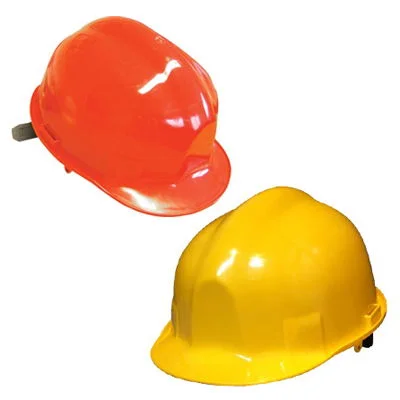
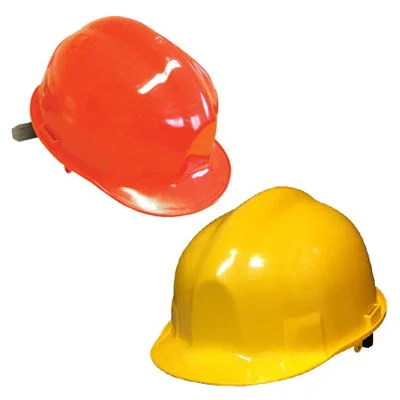
EN397 certified safety helmets with high density polyethylene shell and adjustable harness. Available in white, yellow, blue, red and navy. Straightforward head protection at a price that makes sense for site.
Colour
Price
QTY
White
£3.25£3.90
Blue
£3.25£3.90
Yellow
£3.25£3.90
Red
£3.25£3.90
Navy
£3.25£3.90
Safety helmets are one of those things you cannot afford to get wrong, and equally cannot afford to overpay for. These EN397 certified hard hats are built from high density polyethylene, which gives you a solid shell that handles the everyday knocks, drops and the occasional argument with a scaffold tube. The adjustable harness inside means one size genuinely fits most, and fitting it properly takes about thirty seconds.
EN397 is the standard you need for general construction site use across the UK and Europe. It covers impact resistance, penetration resistance, and flame resistance, so when your site manager or principal contractor asks whether your lids are compliant, you can say yes with confidence and not have to go digging through a folder of paperwork. These meet the requirement. Job done.
Where These Safety Helmets Get Used
Available in five colours, which matters more than it might sound. Colour coding on site is common practice: white for management or visitors, yellow for general operatives, blue for subcontractors, red for electricians or fire marshals depending on the company, and navy tends to vary by site. Having the right colour available at a sensible price means you can actually follow the system without your supervisor quietly switching helmets between shifts.
The HDPE shell is resistant to most common chemicals encountered on site, copes well with temperature variation, and does not absorb water. It will not suddenly become heavier or weaker after a day in the rain. The suspension harness distributes the load of the shell evenly and helps absorb energy on impact, which is rather the point.
Buying in Bulk for Sites and Teams
At this price point, these safety helmets make sense for plant hire companies, groundworks firms, building contractors, and anyone who goes through PPE regularly. Replacing a damaged or missing hard hat should not require a purchase order and a week of waiting. Keep a stock, stay compliant, and get on with it.
Pro Tip: Replace any helmet that has taken a significant impact even if it shows no visible damage, the internal harness and shell can be compromised in ways you cannot see from the outside.
These safety helmets are used across construction, civil engineering, groundworks, demolition, utilities, and plant operations. Anywhere falling objects, overhead hazards, or low headroom present a risk, a compliant hard hat is a legal requirement under the PPE at Work Regulations. They are also widely used in warehousing, manufacturing, and arboriculture where overhead work takes place. The colour options make them suitable for sites that operate a colour-coded identification system by trade or responsibility.
Best For
Construction and groundworks sites
Civil engineering and utilities
Demolition and refurbishment
Warehousing and manufacturing
Plant and machinery operations
Colour-coded site PPE systems
Available In
White
Yellow
Blue
Red
Navy
Key Features
EN397 certified
High density polyethylene shell
Adjustable suspension harness
Lightweight and comfortable for all-day wear
Chemical and water resistant shell
Suitable for most adult head sizes
Not suitable for: Not suitable for working at height where a chin strap retention system is required, or for electrical work requiring Class E or Class G rated electrical protection. Always check site-specific PPE requirements before ordering.
Fit the helmet by adjusting the harness wheel or ratchet at the rear until the hat sits level on the head, roughly two finger-widths above the eyebrows. The suspension harness should hold the shell away from the skull by at least 25mm to allow impact energy to dissipate properly. Check the fit is snug but not tight enough to cause discomfort over a full working day.
Inspect the helmet before each use. Look for cracks, dents, or discolouration in the shell, and check the harness straps and connections for signs of wear or brittleness. Most manufacturers recommend replacing helmets every three to five years from the date of manufacture regardless of condition, as UV exposure and temperature cycling degrade the material over time. The manufacture date is usually stamped inside the shell.
Check the manufacture date stamp inside the shell before first use to confirm the helmet is within its service life
Inspect the shell for any cracks, deep scratches, or deformation before fitting
Check the harness straps and cradle connections are intact and not frayed or brittle
Adjust the rear ratchet or wheel mechanism until the helmet fits snugly, sitting level approximately two finger-widths above the eyebrows
Confirm the shell sits at least 25mm clear of the top of the head with the harness correctly tensioned
Re-inspect after any significant impact and replace immediately if damage is suspected
Do these safety helmets meet current UK site requirements?
Yes. These helmets are EN397 certified, which is the standard required for general construction and industrial use across the UK and EU. EN397 covers impact protection, penetration resistance, and basic flame resistance, satisfying the requirements of the PPE at Work Regulations 2002 for head protection on site.
What is the difference between the colours, and does it affect the protection level?
All five colours offer the same level of protection. The colour difference is purely for site identification purposes. Many sites use white for management, yellow for general operatives, blue for subcontractors, and red for specific trades or safety roles, though colour coding varies between contractors and sites.
How long does a safety helmet last before it needs replacing?
Most HDPE safety helmets should be replaced every three to five years from the date of manufacture, even if they look fine. UV exposure, heat, and chemical contact all degrade the shell over time in ways that are not always visible. The manufacture date is typically stamped inside the shell. Any helmet that has taken a hard impact should be replaced immediately regardless of age.
The shell is moulded from high density polyethylene, a material chosen for its balance of impact resistance, chemical tolerance, and low weight. HDPE maintains reasonable performance across a wide temperature range and does not absorb moisture. The adjustable harness cradle distributes load across the skull and provides the clearance gap required for EN397 impact energy absorption. The EN397 standard specifies performance under lateral deformation, penetration, and 5kg ball drop impact testing.
Standard
EN397
Shell Material
High density polyethylene (HDPE)
Harness
Adjustable suspension harness
Available Colours
White, Yellow, Blue, Red, Navy
Adjustment
Ratchet or wheel mechanism
Colour
Blue, Red, White, Yellow, Navy
Reviews
There are no reviews yet.
Be the first to review “Safety Helmets”Cancel Reply

Reviews
There are no reviews yet.