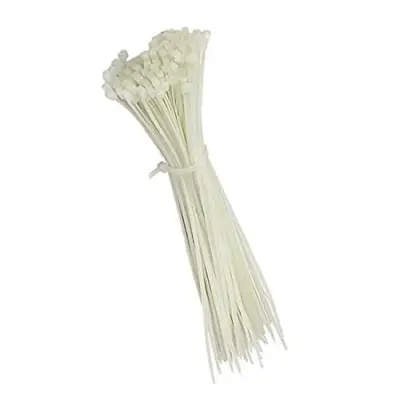
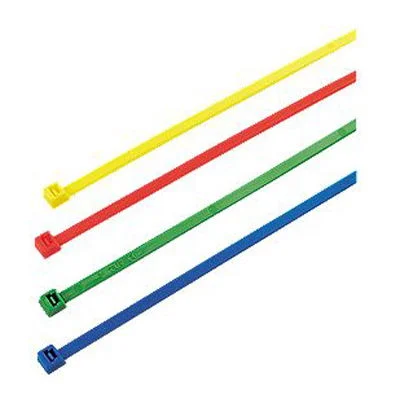
Nylon cable ties in natural (clear/off-white) finish. Corrosion and heat-resistant, available in a wide range of sizes from 100mm up to 1020mm. Sold in packs of 100, these are the kind of thing you never want to run out of on site.
Size
Price
QTY
100 x 2.5mm
£0.55£0.66
120 x 2.5mm
£0.69£0.83
140 x 3.6mm
£1.09£1.31
160 x 4.8mm
£1.19£1.43
180 x 4.8mm
£1.39£1.67
200 x 3.6mm
£1.59£1.91
200 x 4.8mm
£1.79£2.15
290 x 7.6mm
£3.09£3.71
295 x 4.8mm
£2.39£2.87
370 x 4.8mm
£3.79£4.55
370 x 7.6mm
£5.75£6.90
430 x 9.0mm
£7.99£9.59
550 x 9.0mm
£12.99£15.59
762 x .9.0mm
£16.79£20.15
1020 x 9.0mm
£17.89£21.47
Natural cable ties are one of those site staples that turn up in every trade bag, van shelf and electrical install kit for a reason. Made from nylon, these standard-duty ties offer solid corrosion resistance and handle everyday heat without creeping or snapping unexpectedly. Whether you’re bundling cable runs in a loft, organising conduit drops, or tidying up behind a consumer unit, natural cable ties get the job done without fuss or fanfare.
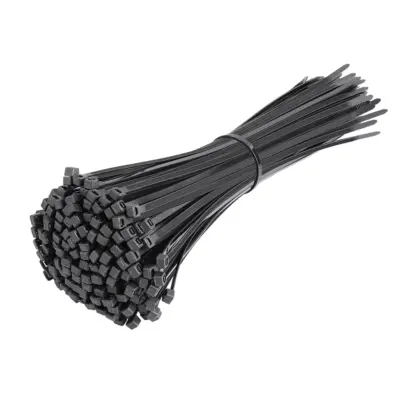
The natural (clear to off-white) colour suits most indoor applications where appearance either doesn’t matter or a discreet finish is preferred. They won’t stand out against light-coloured trunking or pale surfaces, which is handy when a neat install matters. For outdoor or UV-exposed jobs, black ties are the better choice — but for anything inside, natural is the default pick for most sparks and installers.
Natural Cable Ties Available in 15 Sizes
The range runs from 100 x 2.5mm at the small end right through to a hefty 1020 x 9.0mm for larger bundles, heavy-duty looms, or wherever you need real clamping length. That 9.0mm width ties are a different prospect entirely from the slim 2.5mm versions — same basic concept, considerably more grip. The mid-range sizes like 200 x 4.8mm and 295 x 4.8mm are probably the ones you’ll burn through fastest, covering the bulk of standard cable management work.
Sold in packs of 100, they’re priced so you can stock up without wincing. Keeping a few different sizes in the van means you’re not improvising with a too-short tie or looping three small ones together because the right size is back at the yard. It sounds obvious, but it’s a time-saver that adds up over a week.
Where Natural Cable Ties Get Used
Electricians, data installers, HVAC engineers and general site workers all reach for these regularly. They work on cable bundles, pipe insulation, temporary fixings, and plenty of non-electrical uses where a quick, secure loop is needed. Nylon construction keeps them light, consistent, and easy to tension with a standard tie gun or by hand.
Pro Tip: When using a cable tie tensioning tool, set the tension before you start a run rather than adjusting mid-bundle, it keeps the torque consistent and stops you snapping the heads off the smaller 2.5mm ties.
Natural cable ties are used across electrical installation, data cabling, HVAC, plumbing, and general building work wherever cables, pipes, or hoses need to be bundled, routed, or temporarily secured. Electricians use them constantly behind panels and in loft spaces; data engineers rely on them for structured cabling runs in comms rooms and server cabinets. Smaller sizes suit signal cable and low-voltage wiring, while the larger 7.6mm and 9.0mm wide ties handle heavy power cable bundles, conduit groupings, or industrial looms where a thin tie would just cut through under tension.
Best For
Cable bundling and management
Electrical installation and panel work
Data and structured cabling
HVAC pipework and insulation securing
Temporary fixings on site
General organising and bundling
Available Sizes
100 x 2.5mm
120 x 2.5mm
140 x 3.6mm
160 x 4.8mm
180 x 4.8mm
200 x 3.6mm
200 x 4.8mm
290 x 7.6mm
295 x 4.8mm
370 x 4.8mm
370 x 7.6mm
430 x 9.0mm
550 x 9.0mm
762 x 9.0mm
1020 x 9.0mm
Key Properties
Nylon construction
Corrosion resistant
Heat resistant
Natural (clear/off-white) colour
Self-locking head
100 per pack
Not suitable for: Not suitable for prolonged outdoor or UV-exposed use — natural nylon degrades in direct sunlight over time, so black UV-stabilised ties are the better option for external applications. Not recommended for use in extreme high-temperature environments such as directly adjacent to exhaust or heating elements.
Feed the tail of the cable tie through the locking head, loop around your bundle, pull firmly to the required tension, and the ratchet mechanism locks it in place. Trim the excess tail flush with a pair of side cutters or a cable tie gun for a clean finish. For larger bundles, choose a longer tie with a wider strap width to distribute the clamping load and avoid cutting into cable insulation.
Select the correct size tie for your bundle diameter — the tie should loop comfortably with enough tail to grip.
Wrap the tie around the cable bundle or object to be secured.
Feed the pointed tail through the locking head.
Pull the tail firmly until the desired tension is achieved — the ratchet will hold each increment.
Trim the excess tail close to the locking head using side cutters or a cable tie gun.
Check the bundle is secure and that the tie has not cut into any cable sheathing.
What is the difference between natural and black cable ties?
The main practical difference is UV resistance. Natural nylon ties are fine for indoor use but will become brittle in direct sunlight over time. Black cable ties are UV-stabilised and are the correct choice for outdoor, exposed, or high-UV environments. For anything inside, natural ties are the standard choice.
Can these be used with a cable tie tensioning tool?
Yes. Standard self-locking nylon cable ties are compatible with most cable tie guns and tensioning tools. A tensioning tool gives a consistent finish and cuts the tail automatically, which saves time on large installs. Just match the tool's strap width range to the tie size you're using.
How do I choose the right size cable tie for my application?
You need a tie long enough to loop fully around your bundle with enough tail to thread through the head and tension properly. Width matters for load: 2.5mm ties suit light signal cables, while 7.6mm and 9.0mm wide ties handle heavy power cable bundles or grouped conduit runs. When in doubt, size up.
Manufactured from nylon 66 (polyamide), these self-locking cable ties offer good resistance to heat, corrosion, and common chemicals encountered in electrical and building environments. The natural colour indicates standard-grade nylon without UV stabilisers. Operating temperature range is typically -40°C to +85°C for standard nylon 66, making them suitable for most indoor fixed wiring and cable management applications.
Material
Nylon 66 (Polyamide)
Colour
Natural (clear/off-white)
Pack Quantity
100
UV Resistance
Not UV-stabilised — indoor use recommended
Temperature Range
-40°C to +85°C (typical for nylon 66)
Locking Mechanism
Self-locking ratchet head
Available Sizes
100 x 2.5mm, 120 x 2.5mm, 140 x 3.6mm, 160 x 4.8mm, 180 x 4.8mm, 200 x 3.6mm, 200 x 4.8mm, 290 x 7.6mm, 295 x 4.8mm, 370 x 4.8mm, 370 x 7.6mm, 430 x 9.0mm, 550 x 9.0mm, 762 x 9.0mm, 1020 x 9.0mm
Weight
N/A
Size
100 x 2.5mm, 1020 x 9.0mm, 120 x 2.5mm, 140 x 3.6mm, 160 x 4.8mm, 180 x 4.8mm, 200 x 3.6mm, 200 x 4.8mm, 290 x 7.6mm, 295 x 4.8mm, 370 x 4.8mm, 370 x 7.6mm, 430 x 9.0mm, 550 x 9.0mm, 762 x .9.0mm
Box Quantity
100
Reviews
There are no reviews yet.
Be the first to review “Cable Ties – Natural”Cancel Reply

Reviews
There are no reviews yet.