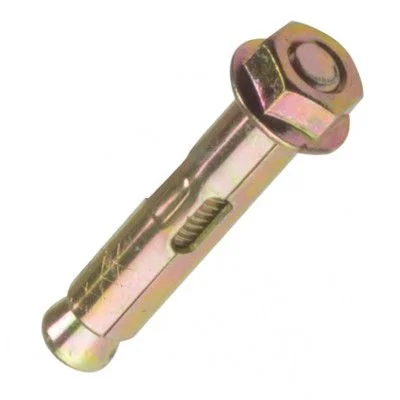
Self-tapping hex head concrete screw bolts that go into brick, block, stone and concrete without plugs or resin. Pick your size, drill a standard hole, drive it home. Fully removable too, so handy for temporary fixings as well as permanent ones.
Available options and pricing for Thunderbolts - Multi Purpose Fixing Bolt - Hex Head, with quantity selectors and a running total
Size
QTY
SKU
Price
QTY
Total
8 x 60mm
100
TB-HEX-860
£24.31£29.17
—
8 x 75mm
100
TB-HEX-875
£27.33£32.80
—
8 x 100mm
50
TB-HEX-8100
£34.94£41.93
—
8 x 130mm
50
TB-HEX-8130
£24.54£29.45
—
8 x 150mm
50
TB-HEX-8150
£28.96£34.75
—
10 x 60mm
50
TB-HEX-1060
£19.78£23.74
—
10 x 75mm
50
TB-HEX-1075
£20.98£25.18
—
10 x 100mm
50
TB-HEX-10100
£27.87£33.44
—
10 x 130mm
25
TB-HEX-10130
£17.95£21.54
—
10 x 150mm
25
TB-HEX-10150
£19.95£23.94
—
12 x 75mm
50
TB-HEX-1275
£34.98£41.98
—
12 x 100mm
50
TB-HEX-12100
£43.90£52.68
—
12 x 130mm
25
TB-HEX-12130
£28.90£34.68
—
12 x 150mm
25
TB-HEX-12150
£27.90£33.48
—
12 x 200mm
25
TB-HEX-12200
£34.90£41.88
—
16 x 100mm
10
TB-HEX-16100
£14.49£17.39
—
16 x 150mm
10
TB-HEX-16150
£22.99£27.59
—
16 x 200mm
10
TB-HEX-16200
£38.99£46.79
—
Thunderbolts – Multi Purpose Fixing Bolt – Hex Head is the original self-tapping masonry anchor, and it has been getting builders out of awkward fixing jobs for a long time. The bolt cuts its own thread into the base material as it goes in. The substrate effectively becomes the nut. Same principle you already trust with wood screws and self-tappers on steel, just applied to brick, block, stone and concrete.
No plug, no resin, no waiting about. You drill a hole with a standard masonry bit, run the bolt in with a socket or spanner, and that is the job done. The hex head gives you a proper grip for a ratchet or impact driver, which matters when you are fixing into something dense and the bolt needs a bit of persuasion.
Where Thunderbolts Hex Head Bolts Get Used
Fixing timber battens, sole plates and studwork to masonry is the classic one. Door frames, window frames, handrails, brackets, steel angles, signage, racking, lighting columns and fence posts are all fair game. Because the thread bites directly into the material, you can fix closer to an edge and closer to the next fixing than you could with an expanding anchor. Less cracked brickwork, fewer sulky words.
Another point in their favour: they come out again. Take one out, drop it back in the same hole if you need to, or use it somewhere else. For temporary works, hoardings, scaffold tie-ins on short-term jobs and anything you might need to dismantle later, that is a real advantage over resin anchors.
Choosing the right size
The range runs from 8mm up to 16mm diameter, in lengths from 60mm to 200mm. As a rough guide, the bolt needs to pass through whatever you are fixing and then go into the masonry by at least 40mm to 50mm for a decent hold. Add the thickness of the fixture to the embedment depth and you have your minimum length. Going a size up in diameter gives you more load capacity, but the hole gets bigger too, so check you have the right drill bit and a drill that can cope with it.
Hole depth should be around 10mm to 15mm deeper than the bolt will penetrate, so dust and debris have somewhere to sit instead of jamming the thread halfway. Clear the hole before you drive, because a dusty hole makes for a hard install and a weaker fix.
These are sold in boxes from 10 up to 100 depending on the size, so you can grab a small box for a single job or stock up for a larger contract. Bulk pricing is where the savings stack up, particularly on the common 10 x 100mm and 12 x 100mm sizes.
Pro Tip: Drill the hole with a sharp bit of the correct diameter and blow the dust out before driving, because a hole full of masonry dust is the number one reason a Thunderbolt snaps or refuses to seat.
Thunderbolts hex head bolts suit fixing timber, steel and fabricated brackets to concrete, brick, block and natural stone. Carpenters use them for frames and battens, steel fixers for angles and base plates, fencing contractors for post brackets and gate hardware. They work for both permanent installs and temporary works where you want to remove the fixing later. Anywhere you would otherwise reach for a plug and screw but need a bit more bite, this is the answer.
Best For
Fixing timber to masonry
Steel brackets and angles
Door and window frames
Handrails and balustrades
Racking and shelving
Temporary works
Compatible Base Materials
Concrete
Brick
Dense concrete block
Natural stone
Hollow block (with care and correct length)
Key Features
Self-tapping thread
Hex head for socket or spanner drive
Removable and reusable
Standard masonry drill bit sizes
Close to edge fixing possible
No plug or resin required
Not suitable for: Not recommended for aerated blocks, soft lightweight blocks or crumbling masonry where the thread cannot get a reliable bite. Also not rated for critical structural or life safety fixings unless you have checked the load data for your specific application.
Pick a bolt long enough to pass through your fixture and reach at least 40mm into the masonry. Drill through the fixture into the wall using the recommended bit for the bolt diameter, going 10mm to 15mm deeper than the embedment depth. Clean the hole, then drive the bolt in using a socket on a ratchet or an impact driver. Stop when the head is snug against the fixture.
Do not hammer it in, and do not overtighten. If the thread starts to strip, the hole is likely oversized or the substrate is too soft.
Choose a bolt length equal to fixture thickness plus at least 40mm of embedment into the masonry
Select the correct masonry drill bit for the bolt diameter
Drill through the fixture into the substrate, going 10mm to 15mm deeper than the embedment depth
Clear the dust from the hole using a brush or blower
Position the fixture and insert the bolt through it into the hole
Drive the bolt in with a hex socket on a ratchet or impact driver, keeping it straight
Stop when the head is tight against the fixture and do not overtighten
Can Thunderbolts be removed and reused?
Yes. They unscrew just as they went in. If the thread is in good condition you can reuse the bolt, ideally in the same hole or a fresh one drilled to the same size. Avoid reusing any bolt that has damaged or worn threads.
What size drill bit do I need for a Thunderbolt?
Check the packaging for the exact recommendation, as the correct pilot hole varies by bolt diameter. As a general guide, an 8mm bolt needs a 6mm bit, a 10mm bolt takes an 8mm bit, a 12mm bolt takes a 10mm bit, and a 16mm bolt takes a 14mm bit. Always use a sharp bit and drill the hole slightly deeper than the embedment.
How deep do Thunderbolts need to go into the wall?
A minimum of 40mm embedment is a sensible starting point for most fixings in solid concrete or brick. For heavier loads, go deeper, within the limits of the base material. Always add the fixture thickness to the embedment depth when picking your bolt length.
Thunderbolts are hardened steel concrete screw anchors with a high-low thread profile designed to cut a mating thread into masonry as they are driven. The hex head allows controlled torque application with a socket or spanner. Typically finished with a zinc or bright coating for general internal and light external use. Embedment depth, edge distance and spacing all affect rated loads, so refer to the manufacturer's data for structural applications.
Product Type
Hex Head Multi Purpose Thunderbolts
Head Type
Hex
Thread Type
Self-tapping concrete screw thread
Diameters Available
8mm, 10mm, 12mm, 16mm
Lengths Available
60mm to 200mm
Pack Sizes
10, 20, 25, 50, 100
Removable
Yes
Weight
N/A
Size
10 x 100mm, 10 x 130mm, 10 x 150mm, 10 x 60mm, 10 x 75mm, 12 x 100mm, 12 x 130mm, 12 x 150mm, 12 x 200mm, 12 x 75mm, 8 x 100mm, 8 x 130mm, 8 x 150mm, 8 x 60mm, 8 x 75mm, 16 x 100mm, 16 x 150mm, 16 x 200mm
Box Quantity
10, 100, 20, 25, 50
Product Type
Hex Head Multi Purpose Thunderbolts
Reviews
There are no reviews yet.
Be the first to review “Thunderbolts – Multi Purpose Fixing Bolt – Hex Head”Cancel Reply




Reviews
There are no reviews yet.