Guides
How to Use Chemical Anchors & Resin Fixings – A Trade Guide

Share:
For heavier-duty fixings in concrete, masonry, and other demanding substrates, chemical anchors and resin fixings are a common choice on site. They are widely used where strong, secure anchoring is needed without relying only on mechanical expansion.
When used correctly, resin-based fixing systems can provide excellent holding strength for threaded studs, bolts, rebar, and other anchoring applications. The key is making sure the hole is prepared properly, the right resin is used, and the fixing is left to cure fully before load is applied.
In this trade guide to chemical anchors and resin fixings, we explain how they work, where they are used, and the basic steps involved in getting a secure result.
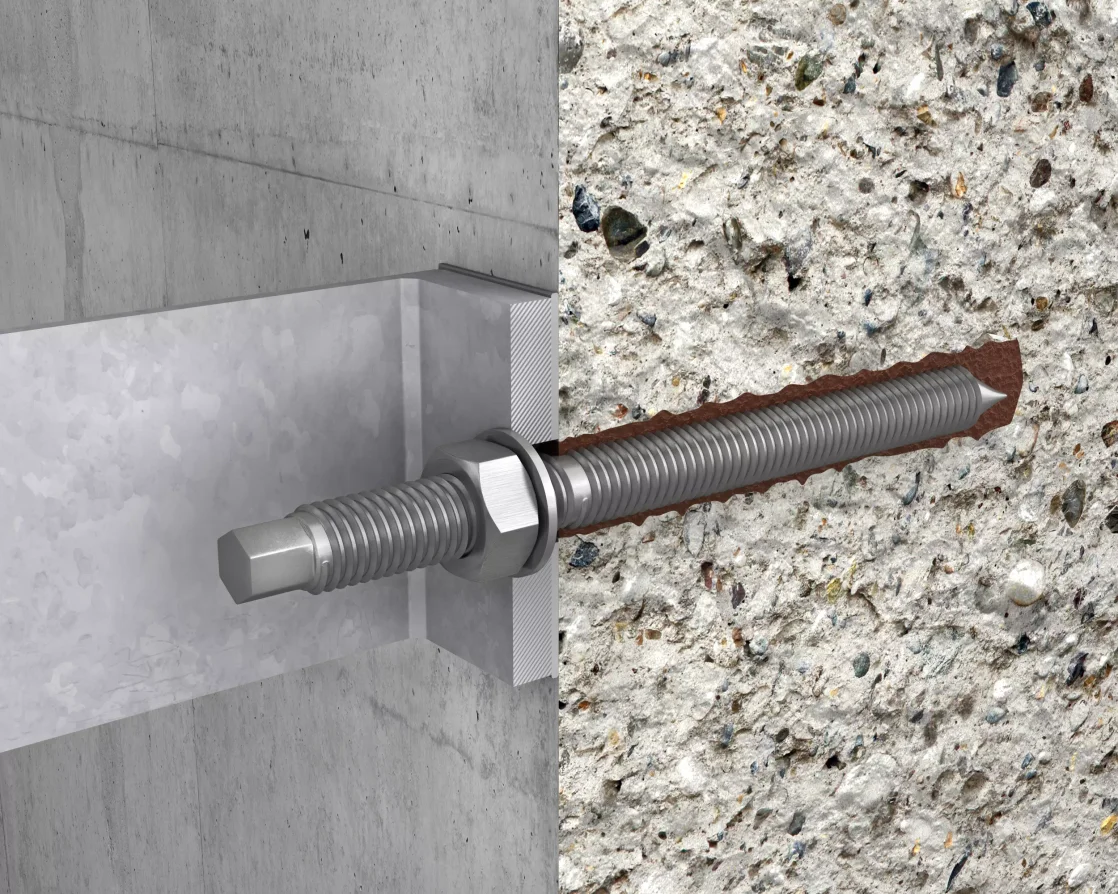
Chemical anchors and resin fixings are anchoring systems that use a specialist resin to bond a fixing into a drilled hole rather than relying purely on expansion pressure.
Instead of gripping the wall by force alone, the resin surrounds and bonds the stud or anchor inside the hole. This creates a secure fixing that is often used for higher load applications, edge fixing situations, and installations where expansion-based anchors may be less suitable.
They are commonly used in materials such as concrete, brickwork, stone, and some hollow materials when used with the correct accessories.
Because the resin bonds the fixing into place, these systems are often chosen where a strong and dependable hold is needed.
Unlike traditional expansion anchors, chemical anchors do not usually place the same outward stress on the surrounding material. This can make them particularly useful in situations where the substrate is brittle, where the fixing is near an edge, or where a more controlled anchoring method is preferred.
Using resin fixings can help with:
For many trade applications, that makes resin-based anchoring a practical alternative to purely mechanical systems.
Chemical anchors are commonly used across construction, maintenance, and installation work where a secure and durable fixing is needed.
Typical applications include:
The exact system used depends on the base material, the type of fixing being installed, and the level of load involved.
While the exact method can vary by product, the basic process usually follows the same core steps. Good preparation is critical, as poor hole cleaning or incorrect installation can reduce the performance of the fixing.
Drill the hole to the required diameter and depth for the fixing being used. The hole size must match the stud, anchor, and resin system so the bond can form properly around the fixing.
This is one of the most important parts of the process. Dust and debris left in the hole can reduce the bond strength of the resin. Cleaning usually involves brushing and blowing out the hole until loose material is removed.
Fit the resin cartridge and nozzle correctly and dispense the initial material until the mix is consistent, where required. This helps ensure the two-part resin is properly blended before installation begins.
Inject the resin into the hole from the back outward where appropriate, helping to avoid trapped air and ensuring the hole is filled correctly for the fixing type being installed.
Insert the threaded stud, bar, or fixing with a twisting motion so the resin spreads evenly around it. The fixing should then be left undisturbed while the resin cures.
Do not load the fixing before the resin has fully cured. Cure times vary depending on product type and site conditions, so the manufacturer’s guidance should always be checked before the anchor is put into service.
One of the most common causes of poor chemical anchor performance is inadequate hole cleaning. Resin needs to bond directly to the substrate and the fixing itself, so dust left behind can interfere with that bond.
That is why proper cleaning is treated as a key part of the installation process rather than an optional extra.
Careful preparation helps improve:
Even a high-quality resin system can underperform if the drilled hole is not prepared properly.
Resin fixings can also be used in some hollow materials, but this usually requires the correct sleeve or mesh insert to help contain the resin and support the fixing properly.
Without the right accessory, resin may not stay positioned correctly within a hollow substrate. That is why it is important to match the resin system to the material being fixed into.
Typical hollow material applications may include:
Using the correct combination of resin, sleeve, and fixing helps improve hold and reduce waste during installation.
| Element | Main Purpose | Typical Use |
|---|---|---|
| Resin Cartridge | Bond the fixing into the hole | Chemical anchoring in concrete or masonry |
| Threaded Stud | Provide the fixing point | Brackets, rails, supports, base fixings |
| Cleaning Brush / Blow-Out | Prepare the hole properly | Removing dust before resin injection |
| Mesh Sleeve | Contain resin in hollow materials | Hollow brick or perforated substrates |
| Injection Nozzle | Mix and apply resin | Correct resin dispensing into drilled holes |
Choosing the right combination depends on the base material, the fixing size, and the type of installation being carried out.
Like any fixing system, resin anchors perform best when installed correctly. A few common mistakes can reduce holding performance or create unreliable results.
Common issues include:
Most of these problems can be avoided by following the product guidance closely and taking extra care with preparation.
For many trade applications, yes.
Chemical anchors can provide a strong, secure, and versatile fixing method across concrete, masonry, and some hollow materials when installed correctly.
They are particularly useful where mechanical expansion anchors may not be ideal, or where a dependable resin bond is preferred for studs, bolts, and reinforcement bar.
For installers, builders, and contractors, that makes resin fixings a useful part of the wider fixing and anchoring range on site.
Tip: With chemical anchors, preparation matters just as much as the resin itself. A correctly drilled and thoroughly cleaned hole is one of the biggest factors in achieving a secure fixing.
Chemical anchors are often used alongside threaded rod, studs, mechanical anchors, and general fixing accessories depending on the installation.
Looking for dependable chemical anchors, resin fixings, studs, or anchoring accessories for your next job?
We stock a range of resin fixing products designed for secure anchoring into concrete, masonry, and other common substrates. Whether you need resin cartridges, threaded studs, sleeves, or related fixing accessories, our range helps you choose the right system for the task.
Browse our range of chemical anchors and fixing accessories to find the right option for your project.
A chemical anchor is a fixing system that uses resin to bond a stud, bar, or anchor into a drilled hole. It is commonly used in concrete and masonry where strong, secure anchoring is needed.
Resin fixings work by filling the drilled hole with a specialist resin that bonds around the fixing as it cures. This creates a secure anchor point without relying only on mechanical expansion.
Yes. Cleaning the hole properly is one of the most important parts of using a resin fixing. Dust and debris can reduce the bond strength and affect how well the chemical anchor performs.
They can be used in some hollow materials when paired with the correct mesh sleeve or insert. The correct resin system and accessories should always be matched to the substrate being fixed into.
That depends on the application, but chemical anchors are often chosen where strong bond-based fixing is needed or where reduced expansion stress is an advantage. The best choice depends on the substrate, load, and installation requirements.
You should leave a resin fixing until the full cure time has been reached. Cure time varies by product and conditions, so the manufacturer’s guidance should always be checked before applying load.