Guides
Correx Protection Boards – How Much Do You Actually Need?

Share:
When floors, doors, windows, and finished surfaces need protecting on site, Correx protection boards are one of the most common solutions used by trades. They are lightweight, easy to handle, and useful across everything from small refurbishments to larger fit-out work.
One of the most common questions, though, is simple: how much Correx do you actually need? Order too little and the job becomes awkward halfway through. Order too much and you can end up with unnecessary waste and extra cost.
In this guide, we explain how to work out how many Correx protection boards you may need, what affects coverage, and where they are typically used on site.
Correx protection boards are fluted polypropylene sheets used to protect surfaces during construction, renovation, decorating, and maintenance work.
They are commonly used to cover finished floors, glazed areas, doors, counters, worktops, and other vulnerable surfaces that could be scratched, marked, or damaged during a project.
Because they are lightweight, durable, and easy to cut to size, Correx sheets are popular on site where temporary protection is needed without adding too much weight or complexity.
They are used across a wide range of trades because they help reduce accidental damage and keep finished areas in better condition before handover.
Working out roughly how much protection board is needed helps make the job more efficient and avoids delays once work is underway.
Ordering the right quantity can help with:
Even where exact quantities vary from site to site, having a simple way to estimate coverage makes ordering much easier.
The starting point is to identify which surfaces need protection and how much of each area will actually be covered.
In most cases, the easiest method is to:
If you are protecting floors, this usually means measuring the length and width of the area and calculating the square coverage required. For windows, doors, or counters, it is more about the number of surfaces and the amount of trimming likely to be needed.
As a general rule, larger open areas are easier to cover efficiently, while smaller rooms and detailed areas often create more waste from offcuts.
On many jobs, the main floor area gets measured but the smaller surfaces are forgotten until later.
Coverage is often underestimated around:
This is why many trades allow a little extra material from the outset rather than trying to estimate to the nearest sheet.
Different site uses can affect how much board is needed and how efficiently it can be cut and laid out.
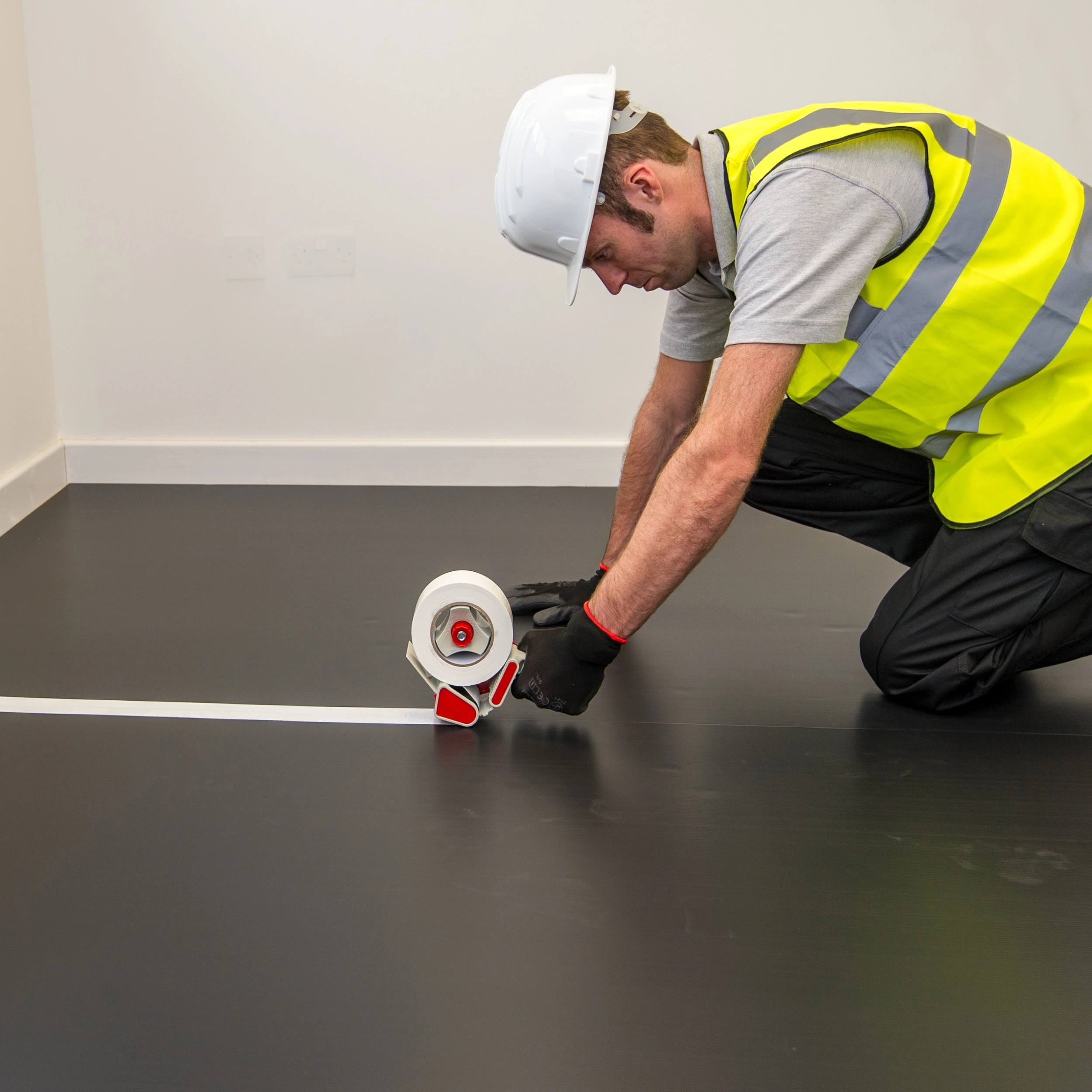
For floor protection, the aim is usually to create continuous coverage in the main working areas, access routes, and finished spaces. Larger sheets can be more efficient in open rooms, but extra allowance may be needed for corners, cut-ins, and overlaps.
For windows and glazed doors, boards are usually cut down to size. This can create more offcuts, so the number of openings and their dimensions will affect how many sheets are required overall.
Smaller finished surfaces often use less material individually, but together they can quickly add up. They also tend to involve more trimming, which makes a waste allowance more important.
| Area to Protect | How It Is Usually Measured | What to Allow For |
|---|---|---|
| Floors | Length x width coverage | Overlaps, cut-ins, access routes |
| Windows | Number and size of openings | Offcuts, trimming, fixing method |
| Doors | Per door or glazed section | Handles, frames, awkward cuts |
| Worktops / Counters | Surface length and depth | Cut-outs, corners, waste |
| General Site Use | Total areas needing temporary cover | Extra sheets for changes on site |
The exact quantity depends on the sheet size being used and how much trimming the job involves, but planning by area first usually gives the clearest estimate.
In most cases, yes.
Protection boards are often cut on site, moved between rooms, and adapted as the job develops. That means the exact number needed can change once work begins.
Allowing a little extra helps cover:
For many jobs, slightly overestimating is usually better than running short once site traffic increases or more surfaces need covering.
For most site protection jobs, definitely.
Correx boards offer a practical way to protect finished surfaces without using heavier or more awkward materials. They are easy to handle, quick to cut, and suitable for a wide range of temporary protection tasks.
For builders, decorators, fit-out teams, and general trades, they can help reduce accidental damage, improve site presentation, and protect completed work until handover.
That makes them a useful and often cost-effective choice across both small and larger projects.
Tip: Measure the main areas first, then add extra for overlaps, cuts, and last-minute protection. It is usually easier to allow a little spare than to run short halfway through the job.
Correx boards are often used alongside other temporary protection and building consumables to help keep finished areas safe during work.
Looking for reliable Correx protection boards for your next site job?
We stock a range of protection boards designed to help cover floors, windows, doors, worktops, and other finished surfaces during construction, refurbishment, and decorating work. Lightweight, practical, and easy to cut, they are ideal for temporary protection across a wide range of site tasks.
Browse our range of Correx boards and site protection products to find the right option for your project.
Correx protection boards are used to protect surfaces during construction, decorating, fit-out, and refurbishment work. They are commonly used on floors, windows, doors, counters, and other finished surfaces that need temporary protection.
The simplest way is to measure the areas that need protection, compare that with the sheet size being purchased, and then allow extra for cuts, overlaps, offcuts, and awkward shapes. Many trades also add a little spare for changes on site.
Yes. Correx boards are commonly used for temporary floor protection on construction and refurbishment jobs. They help shield finished surfaces from dirt, scratches, and general site traffic.
In most cases, yes. Extra allowance helps cover trimming, overlaps, awkward corners, offcuts, and any last-minute surfaces that also need protecting once the job is underway.
Yes. Correx boards are generally easy to cut and shape on site, which is one of the reasons they are so widely used for temporary protection on different surface types.
Yes, they can be. Even on smaller jobs, protection boards can help prevent accidental damage to finished surfaces, which may save time and money compared with putting right marks, scratches, or scuffs later.