Guides
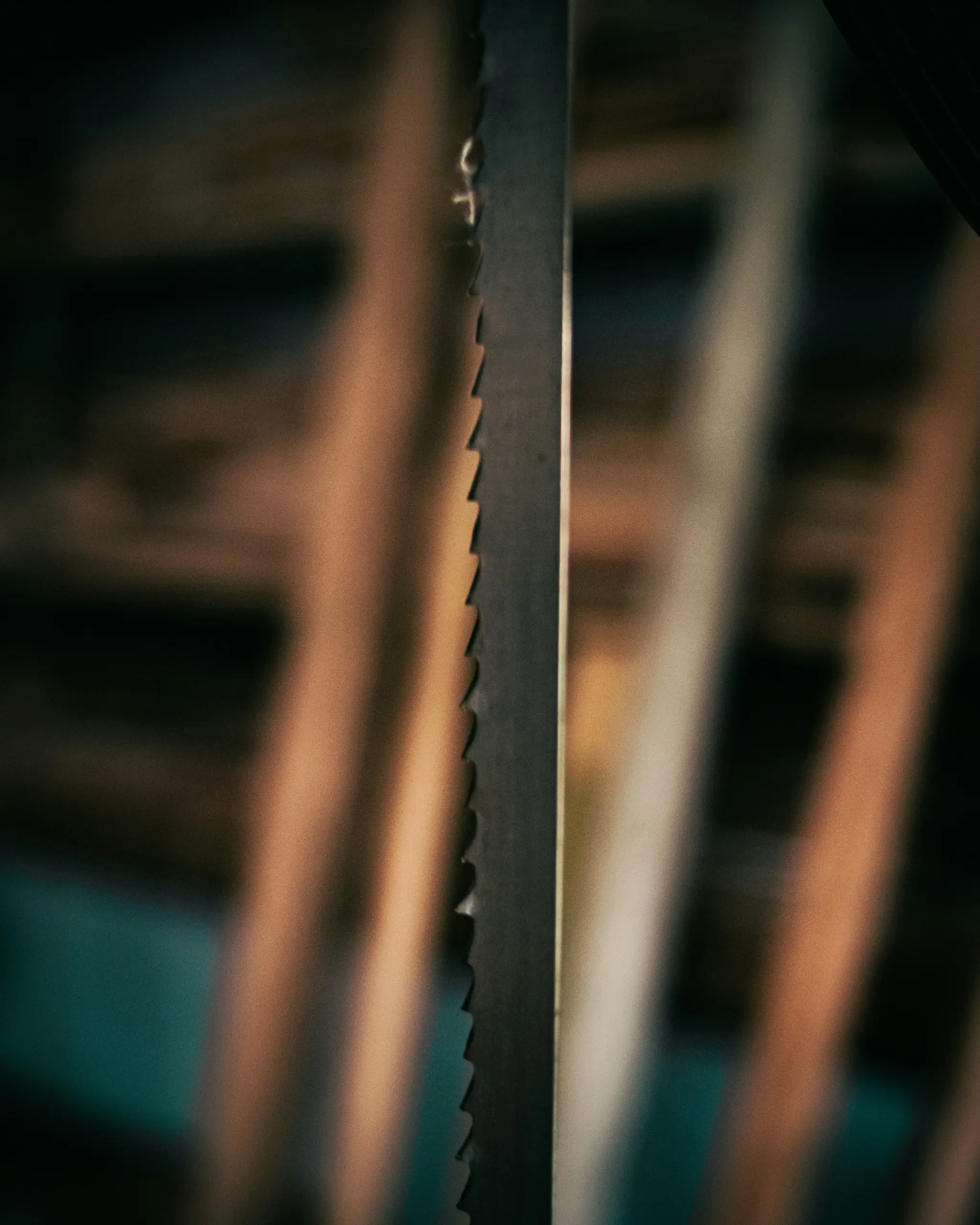
Jigsaw Blade Guide – Choosing the Right Blade for Wood, Metal & Plasterboard

Share:
Choosing the right jigsaw blade can make a big difference to cut quality, speed, and control on site. While most jigsaws look similar, the blade fitted to the tool determines how well it performs on different materials.
Whether you are cutting timber, sheet metal, or plasterboard, using the correct blade helps reduce splintering, improves accuracy, and makes the job easier from start to finish.
In this jigsaw blade guide, we explain how to choose the right blade for wood, metal, and plasterboard, along with the key features to look for when selecting blades for different tasks.
Jigsaw blades are interchangeable cutting accessories designed to fit a jigsaw and cut through a range of materials. Different blades are made with different tooth shapes, materials, lengths, and cutting patterns depending on the job.
Some are built for fast, rough cuts in timber, while others are designed for cleaner finishes, tighter curves, or slower controlled cuts through metal and board materials.
Using the right blade is just as important as choosing the right tool, especially when you need a neat finish or consistent performance across different materials.
Each type is designed to suit a specific material or cutting style, which is why it is worth matching the blade to the task rather than using one blade for everything.
The wrong blade can lead to slow cutting, torn edges, overheating, or poor control.
Choosing the correct jigsaw blade helps with:
For tradespeople and DIY users alike, the right blade makes the job quicker, cleaner, and less frustrating overall.
Wood is one of the most common materials cut with a jigsaw, but not all wood blades are the same. The best blade depends on whether speed or finish is the priority.
For rougher, faster cuts in timber, a blade with more aggressive teeth is often preferred. For cleaner visible cuts in sheet materials, furniture panels, or finished timber, a finer tooth pattern is usually the better option.
If finish quality matters, slowing the cut and pairing the blade with the right pendulum setting can make a noticeable difference.
Cutting metal with a jigsaw requires a blade with smaller, finer teeth and a more controlled cutting action than wood.
Metal cutting jigsaw blades are typically designed for sheet metal, non-ferrous metals, and thinner sections where a slower, more deliberate cut is needed. Using a wood blade on metal will usually wear the blade quickly and can result in poor cut quality.
When cutting metal, slower speeds and steady feed pressure usually produce the best result and help extend blade life.
Plasterboard is softer than timber or metal, but it can still be messy to cut if the wrong blade is used. A suitable blade helps create neater openings for sockets, fittings, and general board shaping.
Some blades are designed specifically for plasterboard, fibre board, or abrasive materials. These can help improve control and reduce excessive dust or tearing around the cut edge.
For cleaner results, it is often best to let the blade do the work and avoid forcing the cut through fragile board materials.
When comparing blades, a few key features will usually determine how suitable they are for the task.
Matching these features to the material and finish required will help you get better performance from the jigsaw overall.
| Blade Type | Main Purpose | Typical Use |
|---|---|---|
| Coarse Wood Blade | Fast cutting | Softwood, timber, general wood cuts |
| Fine Wood Blade | Cleaner finish | Plywood, finished boards, visible cuts |
| Reverse Tooth Blade | Reduced splintering | Laminates and top-face finish work |
| Metal Cutting Blade | Controlled cutting | Sheet metal, thin steel, aluminium |
| Board / Plasterboard Blade | Clean shaped cuts | Plasterboard and similar sheet materials |
| Scrolling Blade | Tight curves | Detailed shapes and curved cuts |
The best blade depends on the material, the required finish, and whether speed, control, or clean cutting is the main priority.
A worn blade will usually cut more slowly, leave a rougher edge, and require more pressure to get through the material.
Common signs that it is time to replace the blade include:
Changing blades early often gives a better result than trying to force one through multiple jobs after performance starts to drop.
In most cases, yes.
While general-purpose blades can be useful for basic cutting, specialist jigsaw blades usually provide better performance when you are working with specific materials such as metal, laminate, or plasterboard.
For trade users, having a small selection of purpose-made blades on hand often leads to better results, quicker work, and less waste.
That means cleaner cuts, fewer damaged materials, and more confidence when moving between different jobs on site.
Tip: If the cut quality matters, choose the blade for the finish first and the speed second. A slightly slower cut with the right blade often produces a much better result.
Jigsaw blades are often bought alongside other cutting accessories and power tool consumables to cover a wider range of site tasks.
Looking for the right jigsaw blades for wood, metal, plasterboard, or general site work?
We stock a range of jigsaw blades designed for fast cutting, clean finishes, and dependable performance across a variety of materials. Whether you need wood cutting blades, metal cutting blades, or specialist blades for board materials, our range helps you match the blade to the job properly.
Browse our range of jigsaw blades and cutting accessories to find the right option for your next job.
For wood, the best jigsaw blade depends on the type of cut. Coarse tooth blades are often used for faster cuts in timber, while finer tooth blades are better for cleaner cuts in plywood, finished boards, or visible surfaces.
Yes, a jigsaw can cut metal when fitted with the correct metal cutting blade. These blades usually have finer teeth and are designed for slower, more controlled cutting through sheet metal and similar materials.
A fine or specialist board blade is often best for plasterboard. These blades help with controlled cutting and are useful for socket cut-outs, shaped sections, and other general board work.
Wood can splinter when the wrong blade is used, when the cut is too aggressive, or when the surface material is delicate. A finer tooth or reverse tooth blade can often help reduce splintering on visible surfaces.
Not all jigsaw blades are universal. Many modern jigsaws use common shank types, but it is still important to check blade compatibility with the tool before buying.
You should replace a jigsaw blade when it starts cutting slowly, leaves rough edges, overheats, wanders off line, or shows visible tooth wear. A fresh blade usually improves both cut quality and control.