Guides
Wall Plugs, Anchors & Cavity Fixings – Which Fixing for Which Wall?

Share:
Choosing the right fixing for the wall is just as important as choosing the screw itself. Different wall types need different support, and using the wrong product can lead to loose fittings, damaged surfaces, or fixings that simply will not hold properly.
From solid masonry to plasterboard and cavity walls, there is a wide range of wall plugs, anchors, and cavity fixings designed for different applications.
In this guide, we explain which fixing for which wall, along with the differences between wall plugs, anchors, and cavity fixings so you can choose the right option for the job.
Wall fixings are the products used to help screws or bolts grip securely in different wall materials. They are designed to spread load, improve hold, and reduce the risk of the fixing pulling out under weight or movement.
While the terms are sometimes used interchangeably, wall plugs, anchors, and cavity fixings are not all the same. Each is designed for different wall types and different levels of load support.
Using the right type makes fitting safer, more secure, and less likely to fail once the load is applied.
Different wall materials behave very differently when drilled and loaded. A fixing that works well in brick may perform badly in plasterboard, while a cavity fixing designed for hollow walls may be completely wrong for solid concrete.
Choosing the correct fixing helps with:
It also makes installation easier, as the fixing is designed to suit the wall rather than being forced to work in the wrong substrate.
The best fixing depends first on the wall type, then on the weight of the item being installed and how the load will be applied.
Common wall types include:
Getting this part right first usually avoids most fixing problems on site.
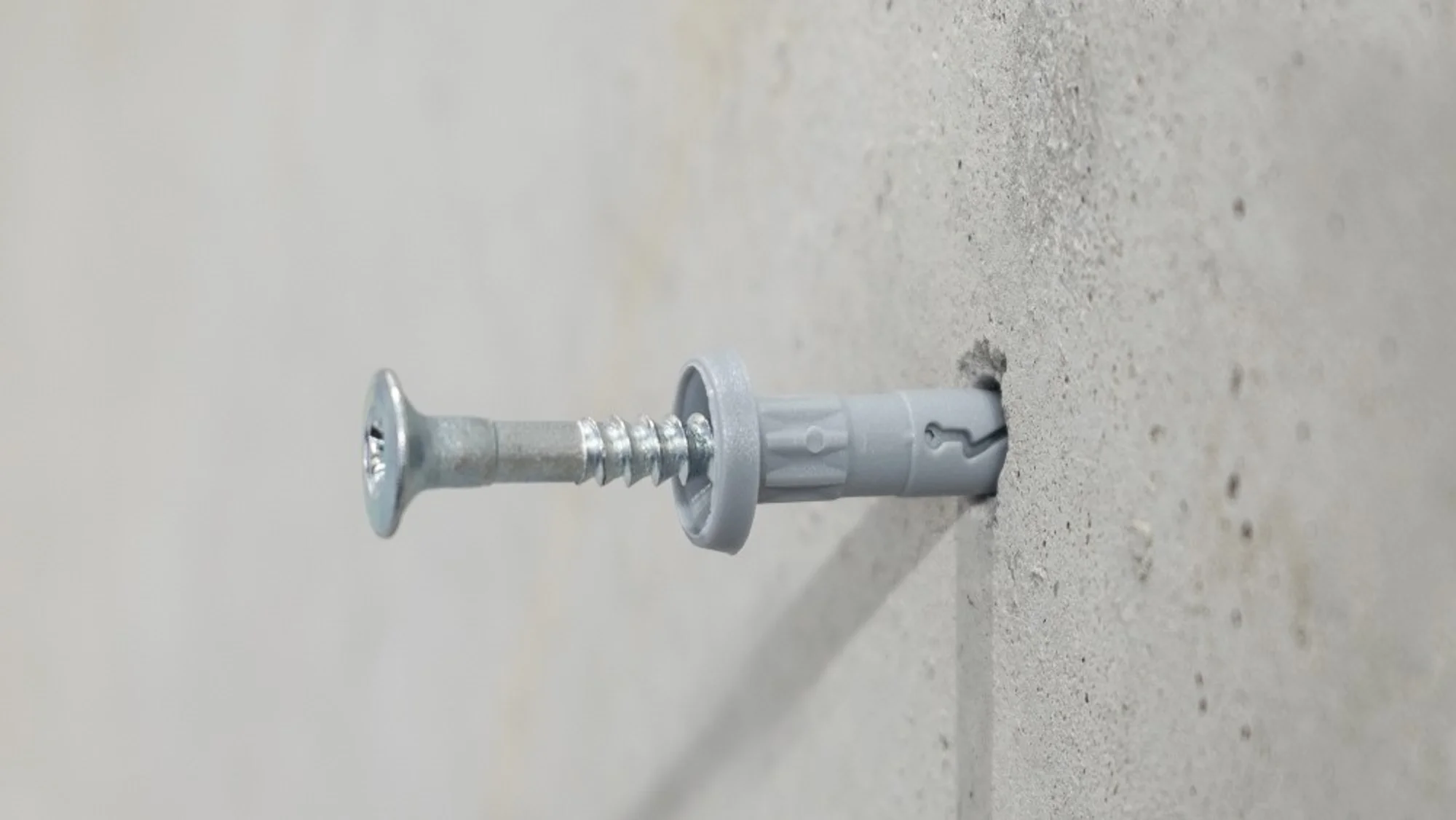
Wall plugs are most commonly used in solid materials such as brick, concrete, stone, and dense blockwork. When a screw is driven into the plug, the plug expands against the sides of the drilled hole to create grip.
They are a common choice for general fixing work such as brackets, light fittings, shelving supports, timber battens, and many everyday installations into masonry.
The size of the plug and screw should always match the application and the drilled hole size for the best hold.
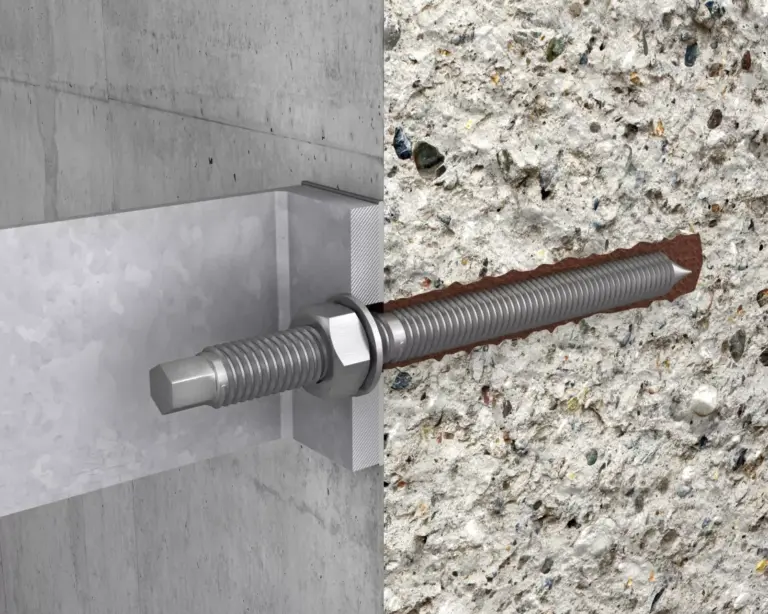
Anchors are typically used where greater holding strength is needed, particularly in solid walls or concrete. Depending on the type, they may expand, grip mechanically, or use a bolt-based system to secure heavier items.
They are often used for more demanding applications such as heavier brackets, structural supports, handrails, cable tray, or mounting points where extra confidence in the fixing is needed.
For heavier installations, it is especially important to match the anchor type to both the material and the load requirement.
Cavity fixings are designed for hollow walls where a standard wall plug would not be able to grip properly. Instead of relying on solid material around the hole, these fixings spread load behind the board or within the cavity.
They are often used in plasterboard walls, partition walls, and other hollow constructions where fittings need support but there is limited solid material to anchor into.
Because plasterboard and hollow walls are more fragile than masonry, using the correct cavity fixing is essential for a secure result.
Beyond the wall type, a few other factors affect which fixing is most suitable.
These details matter because even the correct fixing type can underperform if the wall condition or load requirement is not taken into account.
| Fixing Type | Best For | Typical Use |
|---|---|---|
| Wall Plug | Brick, concrete, dense block | General-purpose screw fixing in solid walls |
| Heavy-Duty Anchor | Concrete and solid masonry | Higher load brackets and secure mounting points |
| Cavity Fixing | Plasterboard and hollow walls | Fixing into board where there is no solid backing |
| Frame Fixing | Masonry and structural openings | Frames, battens, windows, and longer through-fixings |
| Specialist Hollow Wall Fixing | Partition walls and lightweight structures | Light to medium-duty fittings in hollow areas |
The best option depends on the wall construction, the weight being fixed, and how permanent or demanding the installation is.
Many fixing problems come down to using the wrong product for the substrate or not preparing the hole correctly.
Common mistakes include:
A little extra care when selecting the fixing usually saves time compared with redoing the job once the wall starts to fail.
In most cases, yes.
While it can be tempting to use one type of fixing for everything, wall materials vary too much for that to work reliably across every job.
Using the correct wall plug, anchor, or cavity fixing usually gives a more secure result, reduces the risk of failure, and makes installation more straightforward.
For trade professionals and DIY users alike, that means a better finish and fewer problems once the fitting is in place.
Tip: Always identify the wall type first, then choose the fixing. Trying to make the wrong fixing work in the wrong wall is one of the main causes of loose or failed fittings.
Wall fixings are often bought alongside screws, drill bits, and general building fixings to suit different surfaces and installations.
Looking for the right wall plugs, anchors, or cavity fixings for your next job?
We stock a wide range of wall fixings designed for solid masonry, plasterboard, cavity walls, and general installation work. Whether you need standard wall plugs, heavier-duty anchors, or specialist hollow wall fixings, our range helps you match the fixing to the surface properly.
Browse our range of wall fixings and accessories to find the right option for your project.
For plasterboard, a cavity fixing or specialist plasterboard fixing is usually the best choice. Standard wall plugs are generally designed for solid walls and may not hold properly in hollow board.
Wall plugs are mainly used in solid materials such as brick, concrete, and dense blockwork. They work by expanding in the drilled hole, so they are usually not suitable for hollow walls unless specifically designed for that type of use.
A wall plug is usually a simple expanding insert for a screw in solid walls, while an anchor is often designed for stronger or more specialised fixing applications. Anchors are commonly used where higher holding strength is needed.
Usually no. Different wall materials need different fixing methods. A fixing that works in brick may not hold in plasterboard, and a cavity fixing designed for hollow walls may not be the right choice for solid masonry.
For heavier items on solid walls, an anchor or other heavier-duty fixing is often more suitable than a basic wall plug. The exact choice depends on the wall material, the weight, and how the load will be applied.
A wall fixing may come loose if the wrong fixing was used for the wall type, the drilled hole is too large, the screw does not match the fixing properly, or the wall material itself is weak or crumbly.