Guides
Dry Verge Systems: What They Are and Why Roofers Are Switching

Share:
Roofing methods have evolved significantly in recent years, and one of the most noticeable changes is the move away from traditional mortar verges. Increasingly, roofers are installing dry verge systems instead of relying on sand and cement to secure tiles at the roof edge.
But what exactly is a dry verge system, and why are so many installers switching?
In this guide, we explain how dry verge systems work, their advantages over mortar verges, and when they are the right choice for your roofing project.
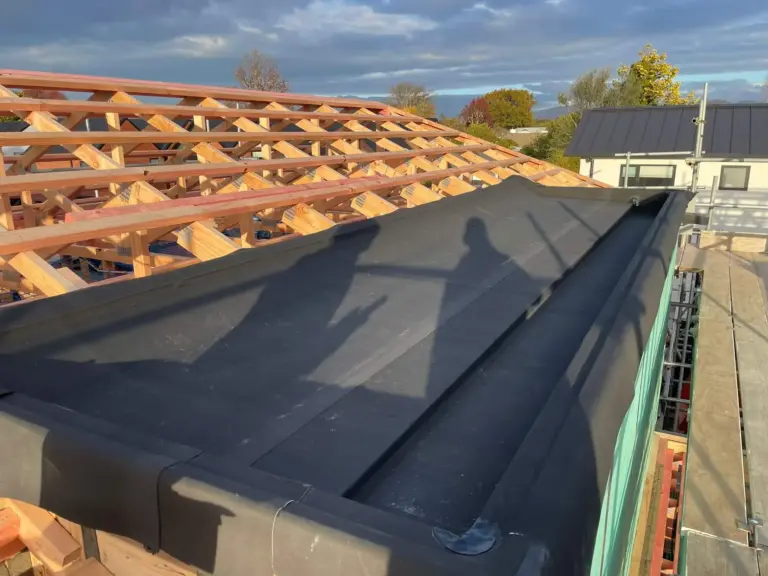
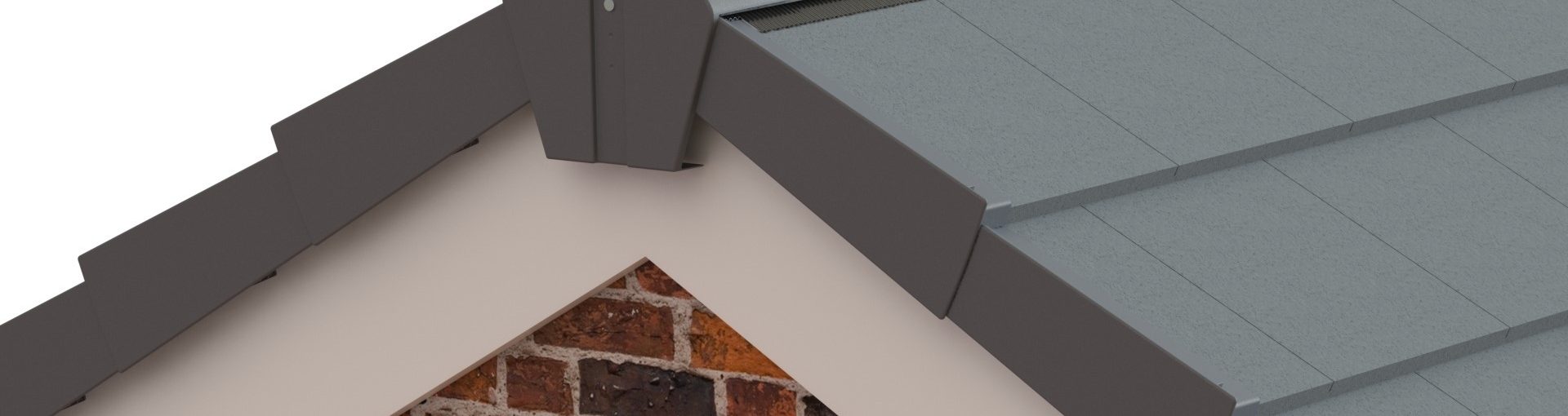
A dry verge system is a roofing solution used to secure and protect the edges of roof tiles along the gable end of a roof.
Instead of bedding tiles into mortar, dry verge systems use mechanical fixings and interlocking caps to hold tiles securely in place.
These systems are typically made from durable, weather-resistant plastics or polypropylene, designed to protect the roof edge from wind uplift, water penetration, and weather damage.
Once installed, the units overlap each tile edge, creating a secure, weatherproof finish along the roof verge.
Traditional mortar verges have been used for decades, but they come with several drawbacks.
Over time, mortar can:
Because of this, many roofing professionals are switching to dry verge systems, which provide a more durable and maintenance-free alternative.
Dry verge systems are designed for quick mechanical installation, eliminating the need to mix mortar or wait for curing.
This can significantly speed up roofing work, especially on larger projects.
Unlike mortar verges, dry verge systems do not crack or crumble over time.
Once installed correctly, they generally require little to no ongoing maintenance.
Dry verge systems help protect the roof edge from:
The interlocking design helps create a tight, consistent seal along the roofline.
Many modern roofing standards now favour mechanically fixed systems over mortar-only installations.
Dry verge systems help ensure roofs meet current building regulations and best practices.
Dry verge caps provide a uniform appearance along the roof edge.
Unlike mortar, which can vary in finish, dry verge systems deliver a neat and professional look.
| Feature | Dry Verge System | Mortar Verge |
|---|---|---|
| Installation | Mechanical fixing | Sand and cement mortar |
| Installation Speed | Fast | Slower |
| Maintenance | Very low | Requires periodic repairs |
| Weather Resistance | Excellent | Can deteriorate |
| Longevity | Long-term solution | May crack over time |
While mortar verges are still used in some cases, dry verge systems are increasingly seen as the modern standard for roof edge protection.
Dry verge systems are ideal for:
They are compatible with many concrete and clay roof tiles, although it is important to select a system designed for the specific tile profile.
For most roofing projects, the answer is yes.
Dry verge systems offer a combination of speed, durability, and long-term reliability that traditional mortar verges struggle to match.
For roofing professionals, they can also reduce call-backs and maintenance issues in the future.
As a result, it is no surprise that more roofers are switching to dry verge systems as the preferred solution for securing roof tile edges.
Tip: When installing a dry verge system, always ensure it is compatible with the tile type and installed according to manufacturer guidelines to achieve the best performance.
You may also hear the term wet verge, which refers to the traditional method of bedding roof tiles in mortar along the gable edge.
While wet verge systems have been used for decades, they often require ongoing maintenance as mortar can crack or break down over time.
Dry verge systems remove the need for mortar altogether, providing a mechanically fixed, low-maintenance alternative that is increasingly preferred by modern roofers.
Dry verge systems are often installed alongside other roofing components to create a secure and fully weather-resistant roofline.
Looking for a reliable dry verge system for your next roofing job?
We stock a range of dry verge systems designed for fast installation, strong mechanical fixing, and long-term weather resistance. Suitable for both new roof installations and retrofit projects, our systems help create a clean, secure roof edge without the need for mortar.
Browse our range of dry verge systems and roofing accessories to find the right solution for your project.
A dry verge system is a roofing solution that mechanically fixes tiles along the gable edge of a roof. Instead of using mortar, interlocking verge caps and fixings hold the tiles securely in place, protecting the roof edge from wind, rain, and weather damage.
Dry verge systems are generally considered more durable than mortar verges. Mortar can crack and deteriorate over time, while dry verge systems use mechanical fixings that provide long-term stability with very little maintenance.
Yes. Modern roofing standards increasingly favour mechanically fixed systems such as dry verge and dry ridge systems. When installed correctly, dry verge systems help ensure roofs comply with current UK building regulations and roofing best practices.
Yes. Dry verge systems are commonly installed when replacing failing mortar verges on existing roofs. They can often be retrofitted without removing the entire roof, depending on the tile type and condition of the roof edge.
Yes. The interlocking design of most dry verge systems helps close gaps along the roof edge, which can prevent birds, pests, and debris from entering the roof space.
Most dry verge systems are made from UV-resistant polypropylene or similar durable materials. When installed correctly, they are designed to last for many years and typically require far less maintenance than mortar verges.