Guides
Roofing Fixings Guide – Membranes, Lead Replacement & Sealants

Share:
Roofing jobs rarely rely on just one product. In most cases, a secure and weather-resistant roof depends on the right combination of roofing fixings, membranes, flashing alternatives, and sealants.
Whether you are working on a repair, refurbishment, or full roof installation, choosing the correct components helps improve durability, reduce call-backs, and create a cleaner finish on site.
In this roofing fixings guide, we look at the role of membranes, lead replacement products, and sealants, along with how they are used together to protect roofs from water ingress, wind uplift, and long-term weathering.
Roofing fixings are the components used to secure roofing materials in place and help maintain the overall integrity of the roof structure.
They include both mechanical and sealing products used across pitched and flat roofing applications, from tile clips and screws to breathable membranes, flashing systems, and roofing sealants.
When selected correctly, roofing fixings help roofs cope with movement, moisture, wind exposure, and day-to-day wear over time.
Each plays a different role, but together they help create a roof that is properly fixed, sealed, and protected against the elements.
Using the right fixing products is about more than simply holding materials in place.
Poor-quality or incorrect roofing fixings can lead to:
That is why professional roofers increasingly focus on using dependable roofing membranes, flashing solutions, and sealants alongside the correct mechanical fixings for the job.
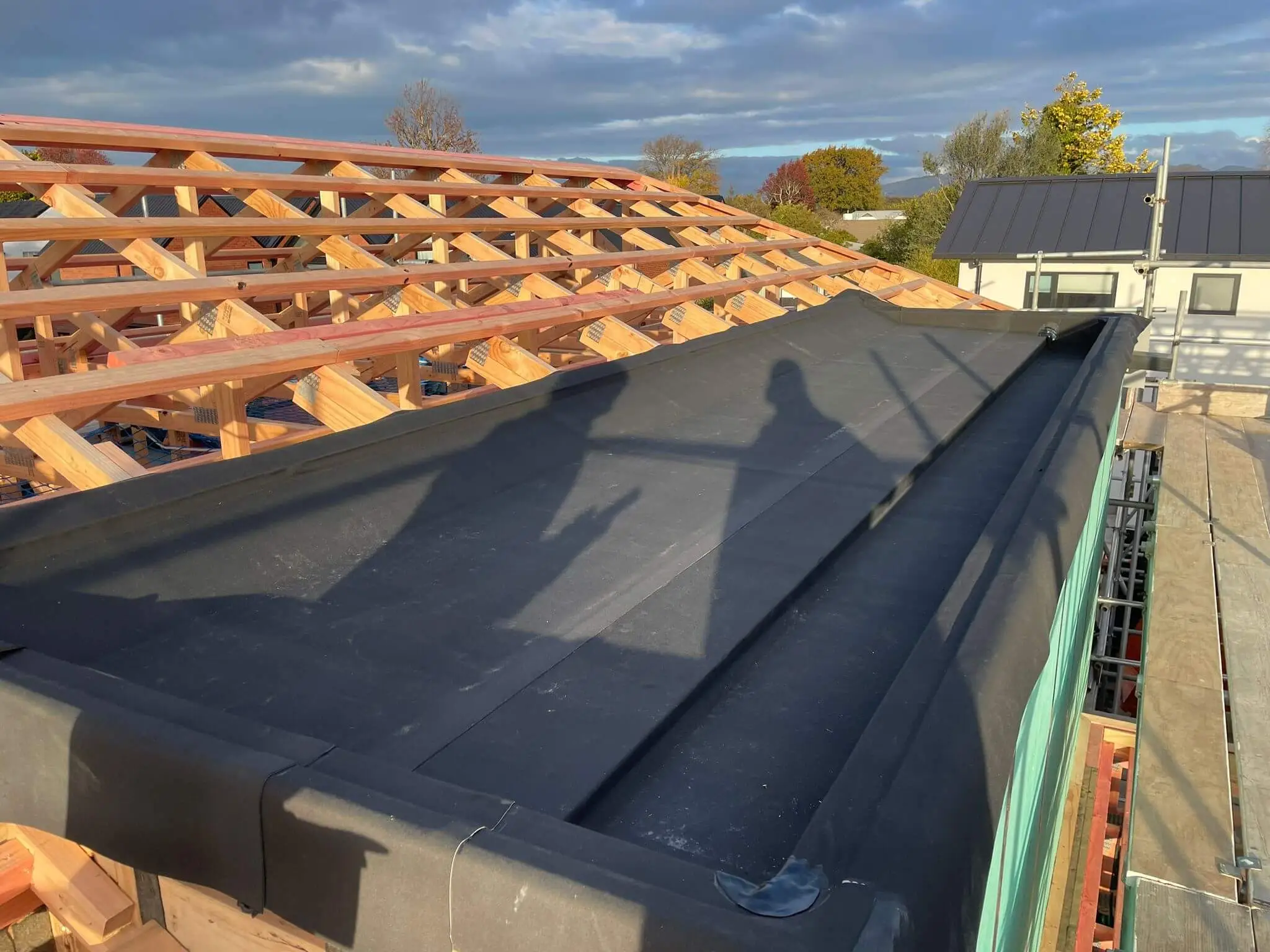
Roofing membranes sit beneath the external roof covering and provide an important secondary barrier against moisture, dust, and wind-driven rain.
Modern breathable membranes are designed to allow water vapour to escape from inside the building while helping prevent water from entering from outside. This makes them a key part of many modern pitched roof systems.
For both new roofs and refurbishment work, a suitable membrane helps improve the long-term performance of the roof and supports the rest of the fixing system.
Lead replacement flashing is used as an alternative to traditional lead in areas such as abutments, chimneys, walls, and stepped flashing details.
Many modern lead replacement products are lighter, easier to handle, and quicker to install, making them an increasingly popular choice for both trade professionals and repair work.
Depending on the product, lead replacement materials can offer strong flexibility, good weather resistance, and a practical solution where traditional lead may be less convenient or more expensive to use.
Used correctly, lead replacement can provide a neat, practical finish around vulnerable roof junctions where weatherproofing is essential.
Roof sealants and adhesives are used to help seal gaps, joints, penetrations, and flashing details where water ingress could otherwise occur.
They are particularly useful for repair work, detail sealing, and applications where flexibility is needed due to movement or temperature change.
Common roofing sealant uses include:
The right sealant can help create a more durable finish, especially when paired with good preparation and the correct fixing method.
Roofing fixings, membranes, flashing alternatives, and sealants are most effective when used as part of a complete system rather than in isolation.
For example, a roof may use:
This layered approach helps improve water resistance, structural security, and the overall lifespan of the roof.
| Product Type | Main Purpose | Typical Use |
|---|---|---|
| Roofing Membrane | Secondary weather barrier | Beneath tiles or slates |
| Lead Replacement | Weatherproof flashing detail | Chimneys, abutments, walls |
| Roof Sealant | Seal joints and gaps | Repairs, flashing edges, trims |
| Tile Clips / Nails | Mechanical fixing | Securing tiles and slates |
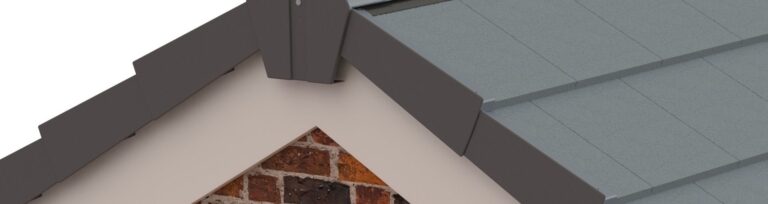
| Dry Fix Components | Secure ridge or verge systems | Roof edges and ridge lines |
Choosing the right combination depends on the roof type, exposure level, materials being used, and whether the project is a new installation or a repair.
These roofing products are commonly used for:
For trade professionals, using the right roofing fixings and accessories can make installation more efficient while helping reduce future failures.
In most cases, yes.
Modern roofing products are designed to improve installation speed, reliability, and long-term performance across a wide range of roofing applications.
Whether it is a breathable membrane, a lead replacement roll, or a flexible roof sealant, the right product can help simplify work on site while supporting a more dependable finish.
For roofers, builders, and general trades, that means fewer issues after installation and a better result for the customer.
Tip: The best roofing results usually come from combining the correct mechanical fixings with reliable membranes, flashing products, and sealants rather than relying on one product alone.
Roofing fixings are often used alongside other roofline and weatherproofing products to complete the job properly.
Looking for dependable roofing fixings, membranes, flashing products, or sealants for your next job?
We stock a wide range of roofing products designed to help with installation, repair, and weatherproofing across pitched roof projects. From breather membranes and lead replacement rolls to roof sealants and dry fix accessories, our range is built for practical use on site.
Browse our range of roofing fixings and accessories to find the right products for your project.
Roofing fixings are the products used to secure, seal, and protect roofing materials. They include mechanical fixings such as clips, nails, and screws, as well as membranes, flashing products, and sealants used to improve weather resistance and roof performance.
A roofing membrane provides a secondary barrier beneath the roof covering. It helps protect against wind-driven rain and moisture while allowing vapour to escape in breathable roof systems.
Lead replacement flashing is used to weatherproof roof junctions such as chimneys, abutments, and wall details. It offers an alternative to traditional lead and is often chosen for its lighter weight and ease of installation.
Yes. Roof sealants are commonly used for repair work, sealing joints, and weatherproofing flashing edges or trims. The correct product should always be matched to the surface and application.
Modern roofing fixings often improve speed, consistency, and weather resistance when compared with older methods. Products such as breathable membranes, dry fix systems, and lead replacement flashing are now widely used to support longer-lasting roofing installations.
The best roofing products for repairs depend on the issue, but common options include roofing sealants, replacement flashing, breathable membrane patches, and tile fixings. Choosing the right product depends on the roof type and the area being repaired.